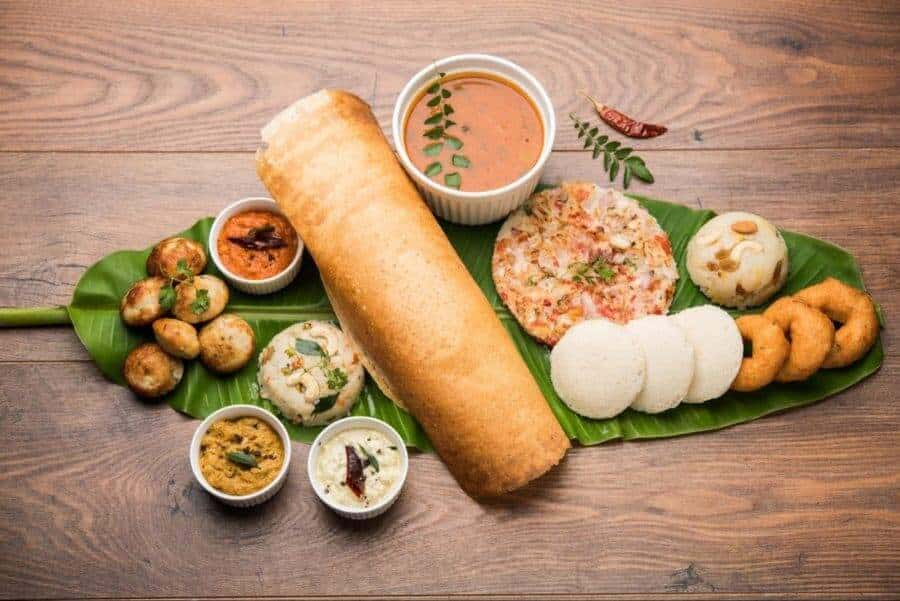
South Indian vegetarian cuisine is known for its fresh ingredients,morning breakfast items and meals aromatic spices, colorful presentation, and comforting flavors. Moreover, a simple plate of idli and sambar starts the meal. From an elaborate South Indian meal served on a banana leaf, vegetarian food offers variety. For morning breakfast items and meals, such dishes illustrate the diversity.
Rice, lentils, vegetables, coconut, curry leaves, tamarind, mustard seeds, chilies, and traditional spices are some of the important ingredients used in South Indian cooking. Every region has its own recipes and cooking traditions, making South Indian vegetarian cuisine wonderfully diverse.
Introduction
South Indian food is celebrated for its distinctive flavors, aromatic spices, and fresh vegetables.
From a crispy dosa with coconut chutney to sambar rice, morning breakfast items and meals highlight taste and aroma.
The cuisine of South India represents several regional food traditions rather than one single style. Tamil Nadu, Kerala, Karnataka, Andhra Pradesh, Telangana and Puducherry each have their own ingredients, cooking techniques and specialties.
Rice and lentils form the foundation of many dishes, while ingredients such as coconut, curry leaves, mustard seeds, tamarind, black pepper, cumin, ginger and green chilies contribute characteristic flavors. Fermentation is also important in dishes such as idli and dosa.
1. Idli
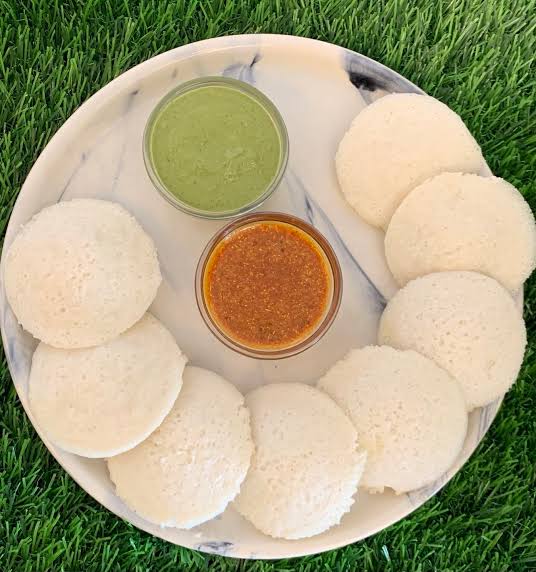
Idli is one of the most recognizable South Indian breakfast foods. It is a soft, steamed dish traditionally prepared from fermented rice and urad dal batter.
The steaming process gives idli its characteristic soft, fluffy texture. It is commonly served with hot sambar and coconut chutney, although tomato, mint and peanut chutneys are also popular accompaniments.
Popular varieties of Idli
- Plain Idli
- Rava Idli
- Kanchipuram Idli
- Mini Idli
- Thatte Idli
- Millet Idli
- Vegetable Idli
Kanchipuram Idli is a regional specialty associated with Kanchipuram and is prepared with additional spices and ingredients that give it a distinctive flavor.
2. Dosa
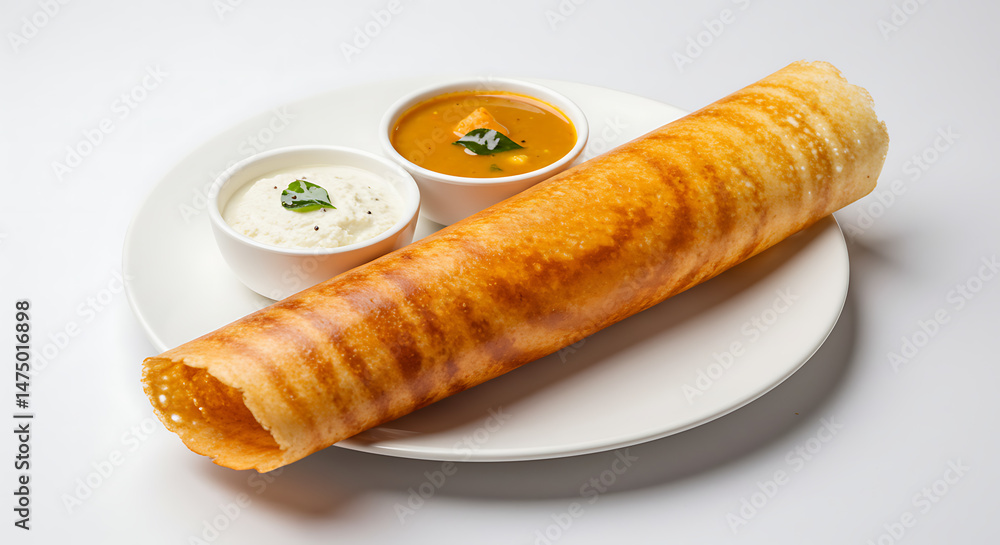
Dosa is another iconic South Indian dish. It is made from fermented rice and lentil batter and cooked on a hot griddle until it develops a crisp or soft texture depending on the variety.
Dosa can be eaten for breakfast, lunch, dinner or as a snack. It is commonly accompanied by sambar, coconut chutney, tomato chutney and other chutneys.
Popular varieties of Dosa
- Plain Dosa
- Masala Dosa
- Mysore Masala Dosa
- Set Dosa
- Rava Dosa
- Onion Dosa
- Ghee Dosa
- Pesarattu
- Neer Dosa
- Ragi Dosa
- Millet Dosa
- Podi Dosa
- Paper Dosa
- Vegetable Dosa
Pesarattu, particularly associated with Andhra cuisine, is made using green gram and is commonly served with ginger chutney; it can also be paired with upma.
3. Sambar
Sambar is a lentil-and-vegetable preparation made with tamarind and spices. It is one of the most common accompaniments in South Indian cuisine.
Depending on the region and household, vegetables such as drumstick, brinjal, carrot, pumpkin, beans and shallots can be used.
Sambar is traditionally served with idli, dosa, vada and rice. Its combination of lentils, vegetables, spices and tamarind creates a distinctive balance of savory, spicy and tangy flavors.
4. Medu Vada
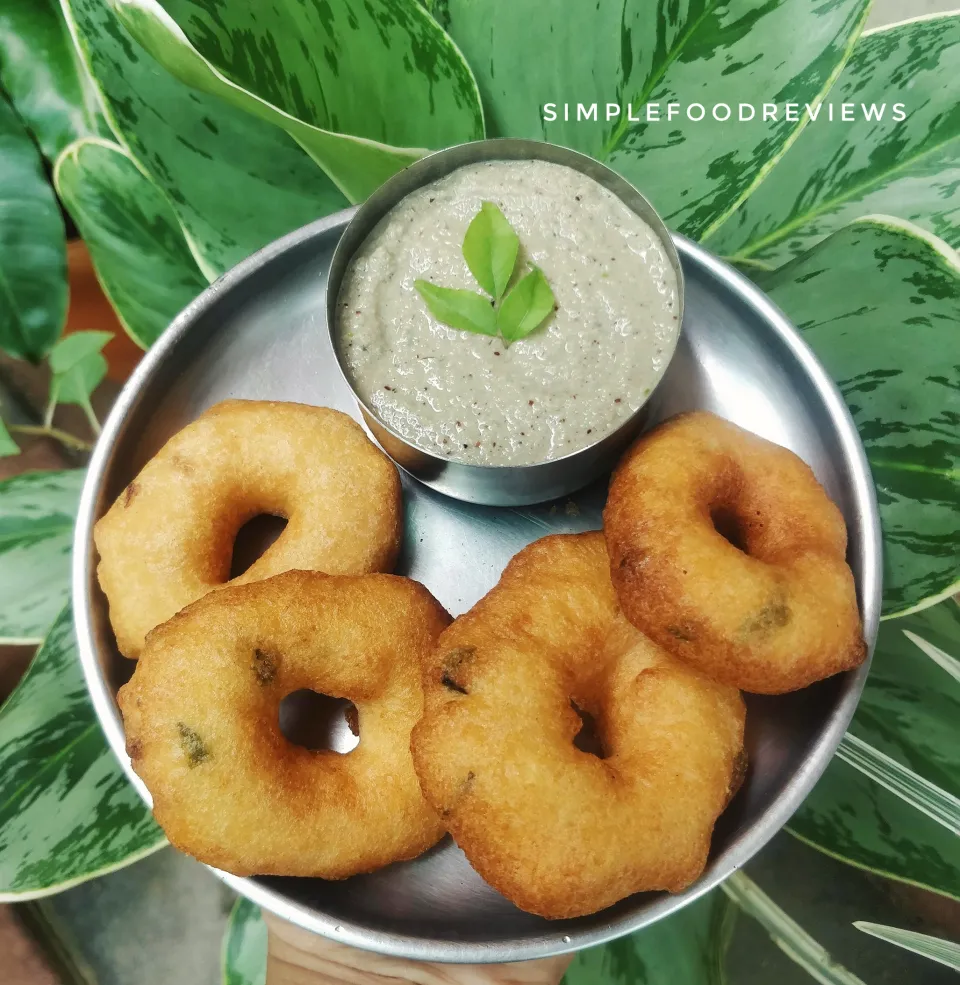
Medu vada is a savory South Indian snack prepared mainly from urad dal. The batter is shaped into rings and fried until golden and crisp on the outside while remaining soft inside.
It is commonly served with sambar and coconut chutney.
Medu vada is popular as a breakfast item as well as a snack and is frequently included in South Indian breakfast platters.
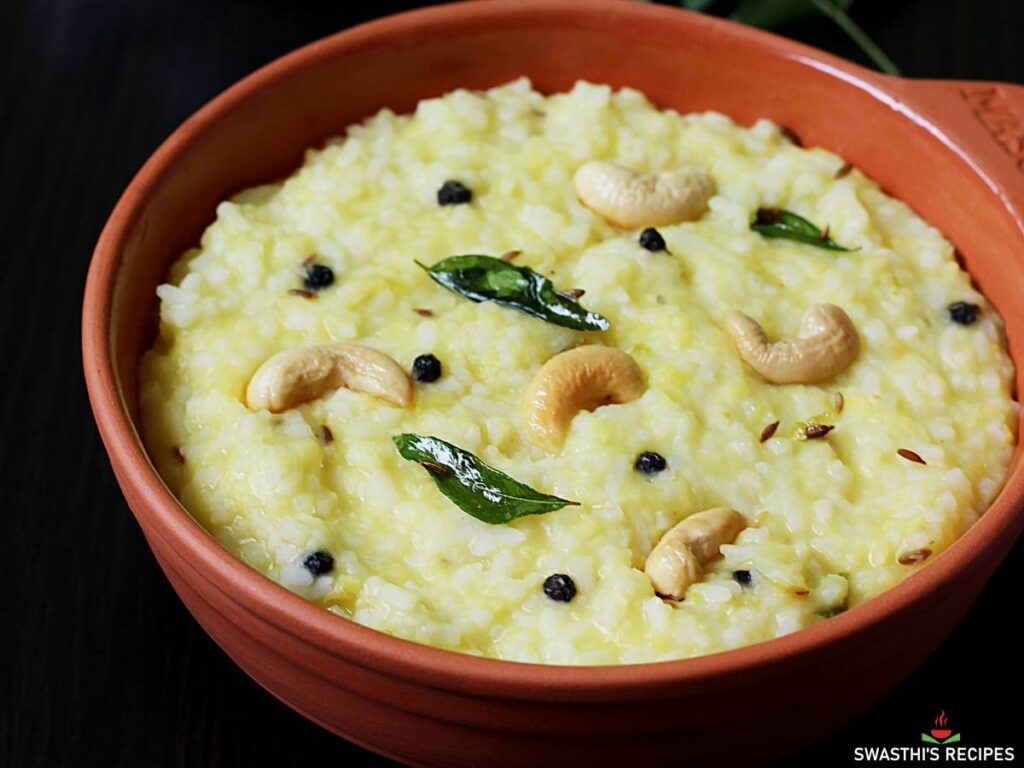
5. Pongal
Pongal is an important South Indian rice-and-lentil preparation.
Ven Pongal
Ven Pongal is a savory preparation made with rice and mung dal. It is usually flavored with ingredients such as black pepper, cumin, ginger, curry leaves, cashews and ghee.
Its soft texture and comforting flavor make it a popular breakfast.
Sakkarai Pongal
Sakkarai Pongal is the sweet version, traditionally prepared with rice, jaggery, milk or ghee, cardamom and nuts.
Pongal also has important cultural significance in Tamil Nadu, where the harvest festival of the same name is celebrated with traditional foods.
- Ven Pongal
- Sakkarai Pongal
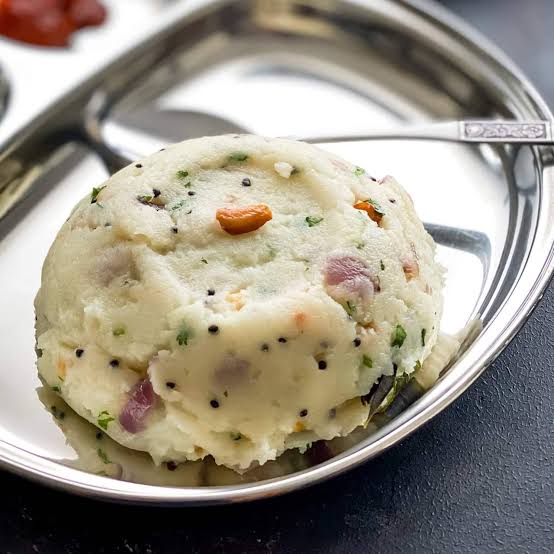
6. Upma
Upma is a popular South Indian breakfast prepared primarily from semolina or rava.
It is usually cooked with vegetables, green chilies, ginger, curry leaves and mustard seeds. Cashews or peanuts may also be added.
The dish is simple, warm and filling, making it a common breakfast in many South Indian households.
Popular variations
- Rava Upma
- Vegetable Upma
- Semiya Upma
- Millet Upma
- Aval Upma
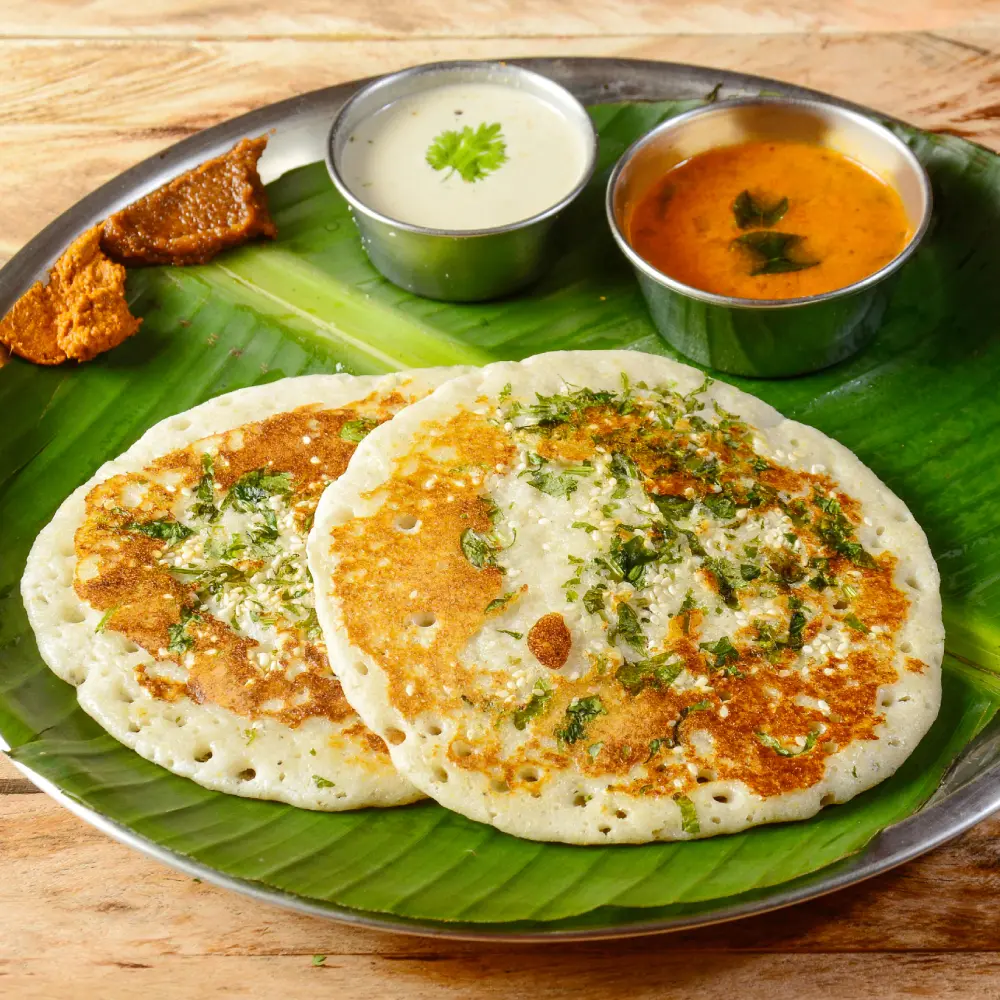
7. Uthappam
Uttapam is a thicker, softer cousin of dosa. Instead of being extremely thin and crispy, uttapam has a thicker texture and is often topped with vegetables.
Common toppings include:
- Onion
- Tomato
- Green chili
- Coriander
- Capsicum
- Carrot
It is generally served with chutney and sambar.
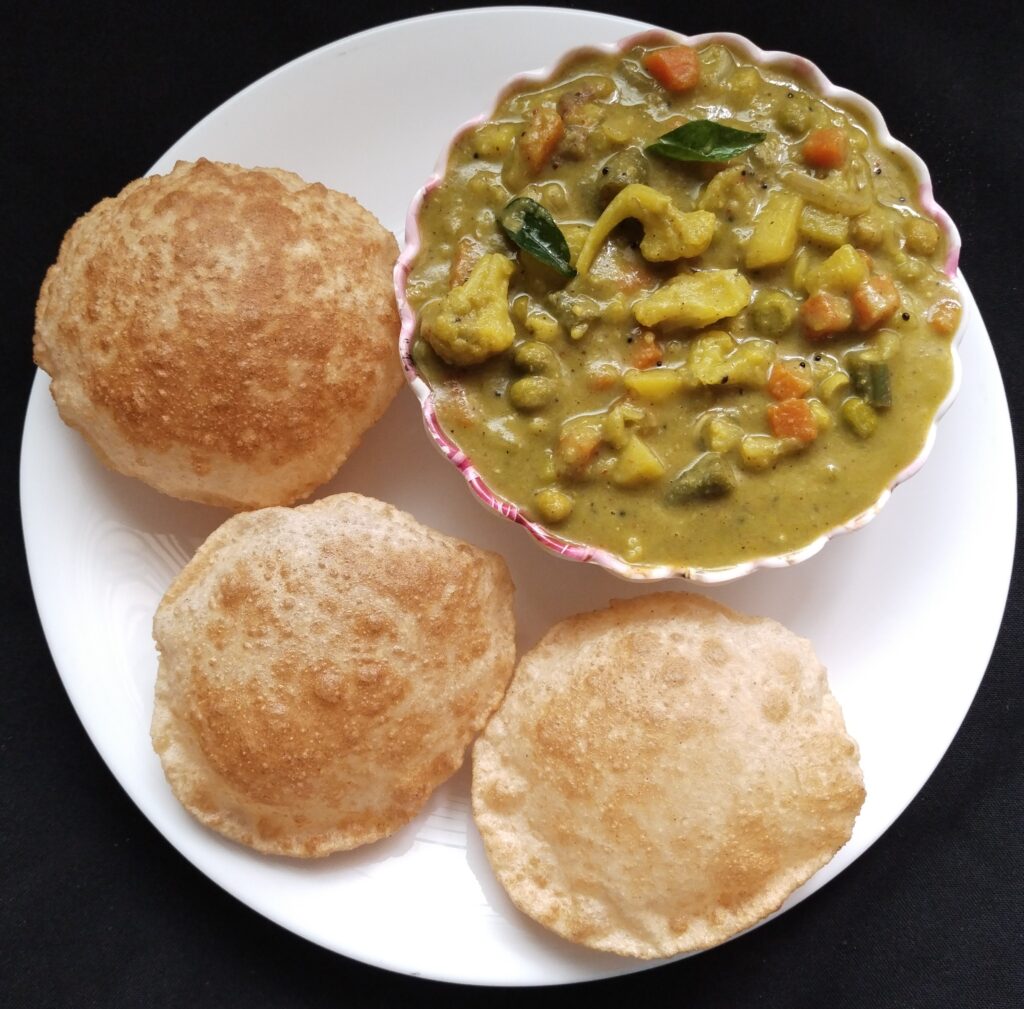
8. Poori and Vegetable Korma
Poori is a deep-fried Indian bread made from wheat flour. In South India, it is commonly enjoyed for breakfast with potato masala or vegetable korma.
The combination of hot, puffed poori and aromatic vegetable curry makes it a popular breakfast or festive meal.
9. South Indian Vegetable Curries
Vegetable-based dishes are an important part of South Indian meals.
Some popular varieties include:
Avial
A traditional Kerala-style mixed vegetable preparation cooked with coconut and seasoned with curry leaves. It is an important component of Kerala Sadya.
Poriyal
Vegetables are cooked and lightly tempered with ingredients such as mustard seeds, curry leaves and lentils.
Kootu
A vegetable-and-lentil preparation that is generally thicker than sambar.
Thoran
A Kerala preparation in which vegetables are cooked with grated coconut and seasoning.
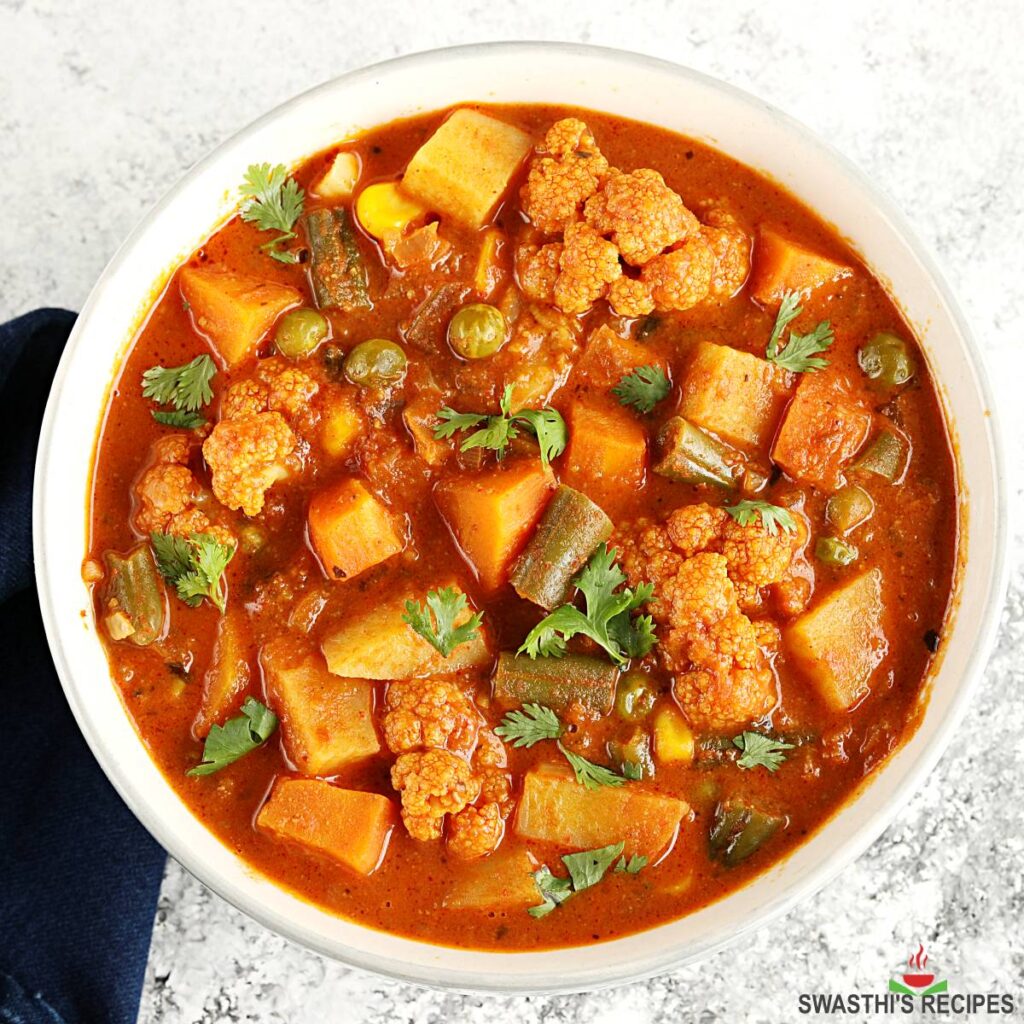
Vegetable Korma
A mildly spiced vegetable curry that can be served with dosa, chapati, poori or other breads.
10. Rasam
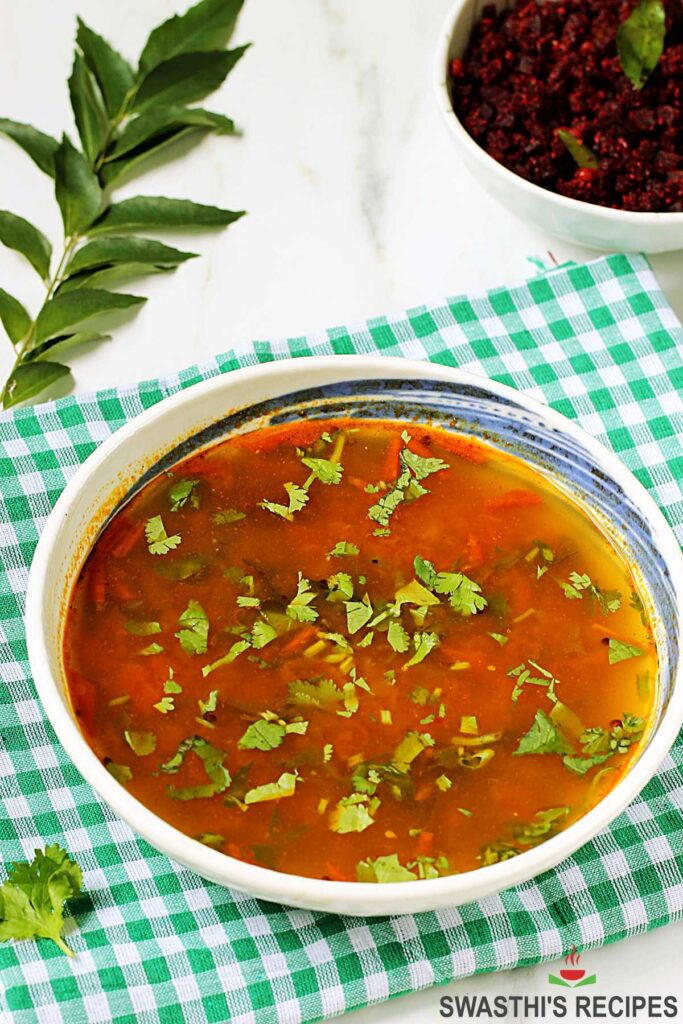
Rasam is a thin, aromatic South Indian preparation usually made using tamarind, tomatoes, spices and herbs.
Different varieties include:
- Tomato Rasam
- Pepper Rasam
- Garlic Rasam
- Lemon Rasam
- Pineapple Rasam
- Mysore Rasam
Rasam can be served with rice or enjoyed separately as a light, flavorful dish.
11. South Indian Rice Varieties
Rice dishes form a major part of South Indian vegetarian cuisine.
Lemon Rice
Rice flavored with lemon juice, turmeric, mustard seeds, curry leaves, chilies and peanuts.
Tamarind Rice / Puliyodarai
Rice mixed with a tangy tamarind-based paste and spices. It is particularly associated with Tamil Nadu’s traditional and temple food traditions.
Coconut Rice
Rice mixed with grated coconut and tempered spices.
Curd Rice
Cooked rice combined with yogurt or curd and seasoned with mustard seeds, curry leaves and other ingredients.
Tomato Rice
Rice cooked with tomatoes, spices, onions and herbs.
Bisi Bele Bath
A famous Karnataka dish combining rice, lentils and vegetables with a distinctive spice mixture. The name refers to “hot lentil rice.”
Vangi Bath
A Karnataka-style rice preparation made with brinjal and spices.
12. Kerala Sadya
Kerala Sadya is one of the most impressive vegetarian meals in South Indian cuisine.
It is traditionally served on a banana leaf and consists of numerous preparations presented together.
Depending on the occasion and region, a Sadya may include:
- Rice
- Sambar
- Avial
- Thoran
- Olan
- Kalan
- Pachadi
- Pickles
- Banana chips
- Papadam
- Rasam
- Curd
- Payasam
Sadya is traditionally associated with celebrations and festive occasions in Kerala.
Use a wide photograph of a complete Kerala Sadya served on a banana leaf.
13. Puttu and Kadala Curry
Puttu is a steamed preparation made primarily from rice flour and coconut. It has a distinctive cylindrical shape.
It is traditionally served with kadala curry, a spiced black chickpea curry.
The soft texture of puttu combined with the rich, savory chickpea curry creates a classic Kerala breakfast combination.
14. Appam
Appam is a Kerala specialty made from fermented rice-based batter and is recognized by its soft center and thin, lacy edges.
It can be served with vegetable stew, coconut-based curries or other accompaniments. Kerala cuisine is particularly well known for the use of coconut and coconut milk in many preparations.
IMAGE PLACEMENT:
📸 Use an image of appam with Kerala vegetable stew.
15. Pesarattu
Pesarattu is a dosa-like dish made using green gram rather than the conventional rice-and-urad-dal combination.
It has a slightly green appearance and a distinctive earthy flavor. Ginger, cumin and green chili are often used to enhance its taste.
A popular combination is Pesarattu with upma and ginger chutney.
16. Karnataka Specialties
Karnataka offers a wide variety of vegetarian dishes.
Some important examples include:
- Bisi Bele Bath
- Ragi Mudde
- Ragi Dosa
- Neer Dosa
- Maddur Vada
- Vangi Bath
- Kosambari
- Akki Rotti
- Vegetable Bath
- Mysore Masala Dosa
Karnataka’s cuisine includes both rice-based and millet-based dishes, reflecting the diversity of the state’s food traditions.
17. Andhra & Telangana Vegetarian Specialties
Andhra and Telangana cuisines are known for bold flavors and the use of ingredients such as chili, tamarind, lentils and regional vegetables.
Vegetarian dishes you can include in your blog are:
- Pesarattu
- Gutti Vankaya
- Tomato Pappu
- Palakura Pappu
- Gongura Pachadi
- Dosakaya Pachadi
- Bendakaya Fry
- Beerakaya Curry
- Vankaya Fry
- Pulihora
- Daddojanam
- Bobbatlu / Puran Poli
Gutti Vankaya, for example, is a preparation based on stuffed brinjal and a spiced filling.
18. Tamil Nadu Vegetarian Specialties
Tamil Nadu has an enormous variety of vegetarian food.
Important dishes include:
- Ven Pongal
- Sakkarai Pongal
- Puliyodarai
- Curd Rice
- Lemon Rice
- Sambar Rice
- Rasam Rice
- Kootu
- Poriyal
- Avial
- Keerai
- Vatha Kuzhambu
- Mor Kuzhambu
- Sundal
- Adai
- Kanchipuram Idli
- Various dosa varieties
Tamil Nadu’s food traditions also include different regional cuisines and temple-food traditions, so the vegetarian repertoire extends far beyond the familiar idli-sambar combination.
19. South Indian Snacks
South Indian vegetarian cuisine also has an extensive range of snacks.
You can include:
- Medu Vada
- Masala Vada
- Maddur Vada
- Bonda
- Mysore Bonda
- Bajji
- Pakoda
- Murukku
- Sundal
- Banana Chips
- Thattaai
- Seedai
These are commonly enjoyed with tea, coffee, chutneys or other accompaniments.
20. South Indian Chutneys
Chutneys add an important layer of flavor to South Indian meals.
Popular varieties
Coconut Chutney – Creamy and mildly flavored, often served with dosa and idli.
Tomato Chutney – Tangy and mildly spicy.
Peanut Chutney – Nutty and rich, commonly paired with breakfast dishes.
Ginger Chutney – Particularly popular with dishes such as pesarattu.
Mint Chutney – Fresh and aromatic.
Coriander Chutney – Herbaceous and refreshing.
Onion Chutney – Sweet, spicy and savory.
Some popular examples include:
Kerala’s Sadya, for example, traditionally includes payasam as part of the meal.
CONCLUSION South Indian vegetarian cuisine is a celebration of rice, lentils, vegetables, coconut, spices, fermentation and traditional cooking techniques. From the simplicity of idli and dosa to the elaborate presentation of Kerala Sadya, the cuisine offers an enormous variety of flavors and textures.
Every region contributes something different. Karnataka brings dishes such as Bisi Bele Bath and ragi-based foods, Kerala showcases coconut-rich preparations and Sadya, Tamil Nadu is known for its extensive tiffin and rice traditions, while Andhra Pradesh and Telangana offer distinctive combinations of lentils, vegetables, tamarind, spices and chutneys.
Telangana vegetarian cuisine represents the rich food traditions of the region. From comforting pappu and rice to spicy gutti vankaya, tangy gongura pachadi, crispy Sarva Pindi and traditional jonna rotte, each dish reflects local ingredients and cooking traditions.
Exploring Telangana’s vegetarian food is therefore not simply about tasting individual dishes. It is a way of experiencing the region’s traditional home cooking, festive celebrations, agricultural heritage and diverse flavors. Whether served during a festival, family gathering or ordinary home meal, Telangana vegetarian food continues to preserve the taste and traditions of the region.