
When people hear the name BMW, bmw collection from beginning to advanced pro motor cars they often think of luxury, performance, German engineering and the famous kidney grille. But BMW’s story is much bigger than a modern luxury car company.
BMW’s history began more than a century ago. The company originally had connections to aircraft-engine manufacturing before eventually becoming one of the world’s most recognizable automobile manufacturers.
Over the decades, BMW transformed itself from an aircraft-engine company into a manufacturer of motorcycles, sports cars, executive sedans, luxury vehicles, high-performance M cars, SUVs and fully electric vehicles.
The BMW story includes legendary cars such as the BMW 328, BMW 507, BMW 2002, BMW 3 Series, BMW 5 Series, BMW 7 Series, BMW M3, BMW M5, BMW Z8, BMW X5 and modern BMW i models.
Today, BMW is entering another major chapter with its Neue Klasse generation of electric and technologically advanced vehicles.
This article explains the history of BMW in a simple and informative way, from its beginnings to the advanced BMW cars of today.
BMW at a Glance
Company: BMW AG
Country of origin: Germany
Official founding date: 7 March 1916
Headquarters: Munich, Germany
Major areas: Cars, motorcycles, electric vehicles, luxury vehicles and mobility services
Famous characteristics: Luxury, driving dynamics, engineering, technology and performance
Major modern families: 2 Series, 3 Series, 4 Series, 5 Series, 7 Series, 8 Series, X Series, Z Series, M models and BMW i electric vehicles
Current technological direction: Electrification, digitization, artificial intelligence, advanced driver assistance and Neue Klasse architecture
BMW’s official history identifies 7 March 1916 as the company’s founding date. Its origins are connected to aviation-related companies, and the BMW name emerged in 1917.
1. The Beginning of BMW — 1916
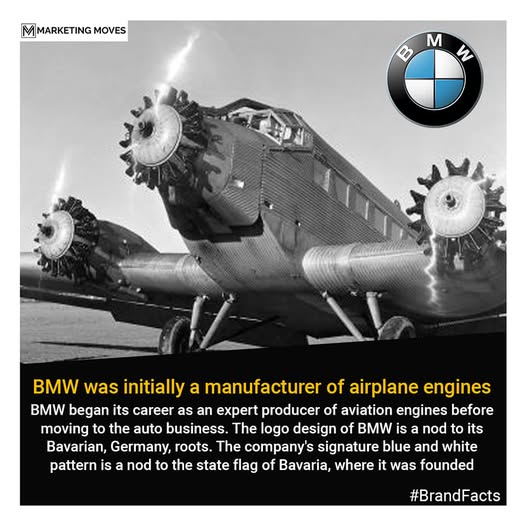
The history of BMW begins in Germany in 1916.
At this time, BMW was not yet known primarily as a car manufacturer. Its early history was closely connected with aircraft engines.
The company developed engineering expertise through engine production, and this experience became an important foundation for the technical culture that BMW would later bring to automobiles.
BMW’s blue-and-white logo became associated with the Bavarian region. The company itself explains that the logo’s famous propeller interpretation became prominent in advertising in the late 1920s.
This is important because many people believe BMW began as a car company. In reality, its origins were connected to aviation and engine engineering.
2. BMW After the First World War
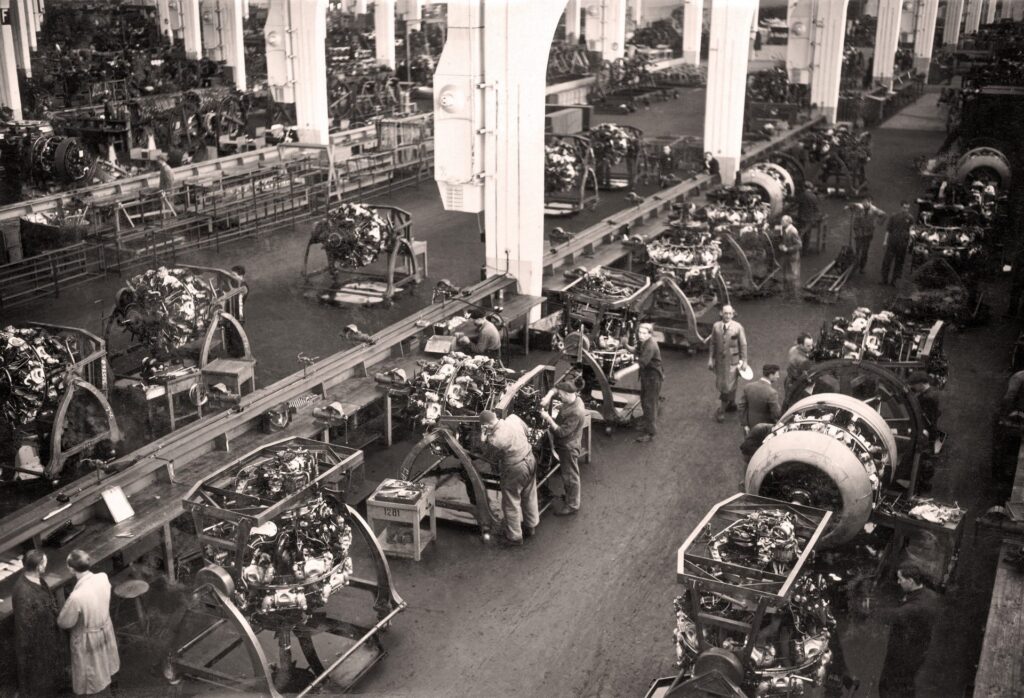
After World War I, Germany faced restrictions affecting aircraft-engine production.
BMW therefore had to look for other opportunities.
The company became involved in products including railway brakes and engines.
The ability to adapt would become a recurring theme throughout BMW’s history.
From aircraft engines to motorcycles and eventually cars, BMW repeatedly changed its products while maintaining its focus on engineering.
3. BMW Enters the Motorcycle Industry
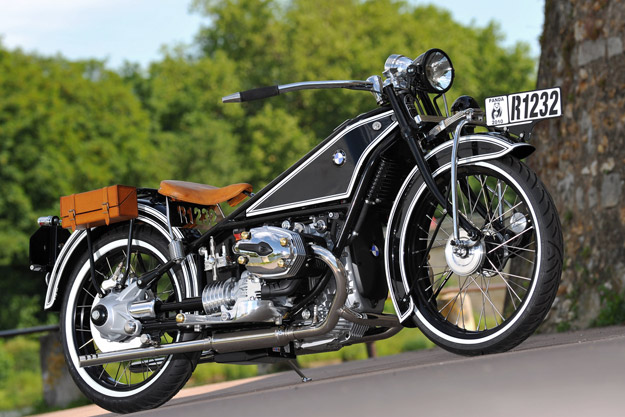
Before BMW became famous for cars, motorcycles played an important role in its development.
BMW introduced the BMW R32 motorcycle in 1923.
The R32 was significant because it established the boxer-twin engine layout and shaft-drive engineering that became strongly associated with BMW motorcycles.
The motorcycle business helped BMW build valuable experience in:
- Engines
- Chassis engineering
- Manufacturing
- Performance
- Reliability
This engineering background later helped BMW move into automobile manufacturing.
4. BMW Begins Making Cars — 1928–1929
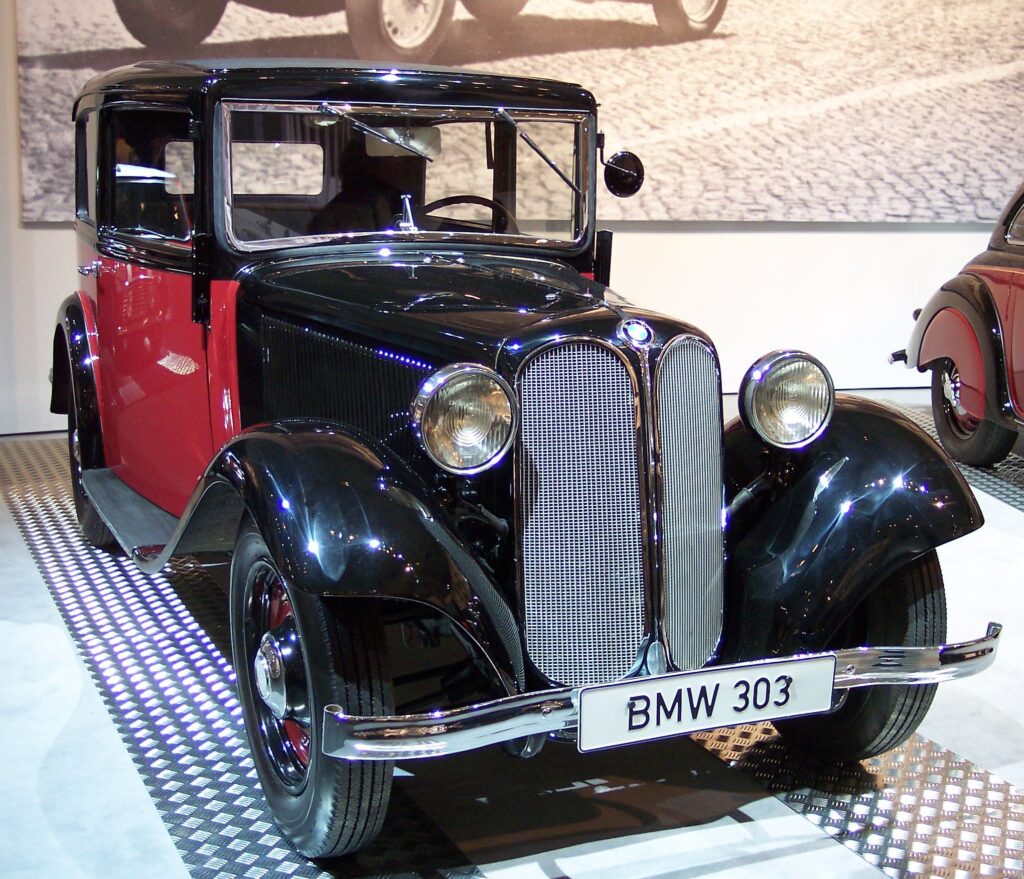
BMW’s automobile history began at the end of the 1920s.
BMW acquired Fahrzeugfabrik Eisenach, which gave the company an entry into automobile manufacturing.
The early BMW 3/15 was based on the Dixi automobile.
This was the beginning of BMW’s journey as a car manufacturer.
The early cars were very different from today’s BMW vehicles.
They were small, relatively simple automobiles compared with modern luxury sedans.
However, they established BMW’s presence in the automobile industry.
5. The BMW 328 — One of BMW’s First Great Legends
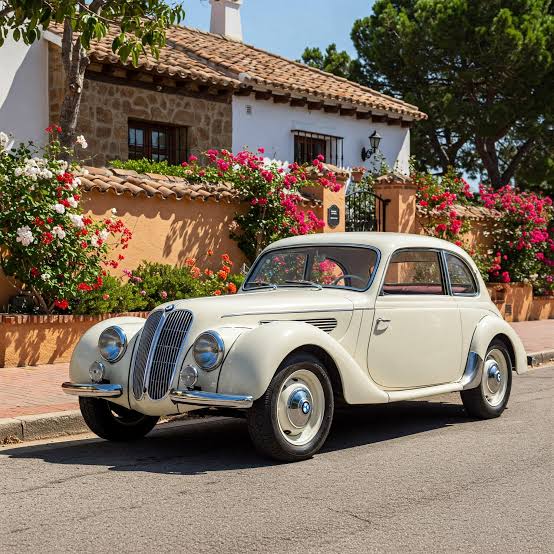
One of the most important early BMW cars was the BMW 328.
Introduced in 1936, the BMW 328 became famous for its sporting character and competition success.
It represented a philosophy that would eventually become central to the BMW brand:
A car should not simply transport people. It should also be enjoyable to drive.
The BMW 328 was lightweight, relatively advanced for its time and designed with performance in mind.
Its success helped establish BMW’s reputation for sporty engineering.
Why the BMW 328 matters
The 328 became part of BMW’s performance heritage.
Decades later, the same philosophy would appear in:
- BMW 2002
- BMW 3 Series
- BMW M3
- BMW M5
- BMW M cars
Image placement
Use a large classic-car photograph here.
Alt text:
“BMW 328 classic sports car from the 1930s”
6. BMW After World War II
After World War II, BMW faced a difficult period.
Germany’s industrial infrastructure had been heavily affected by the war.
BMW needed to rebuild its business.
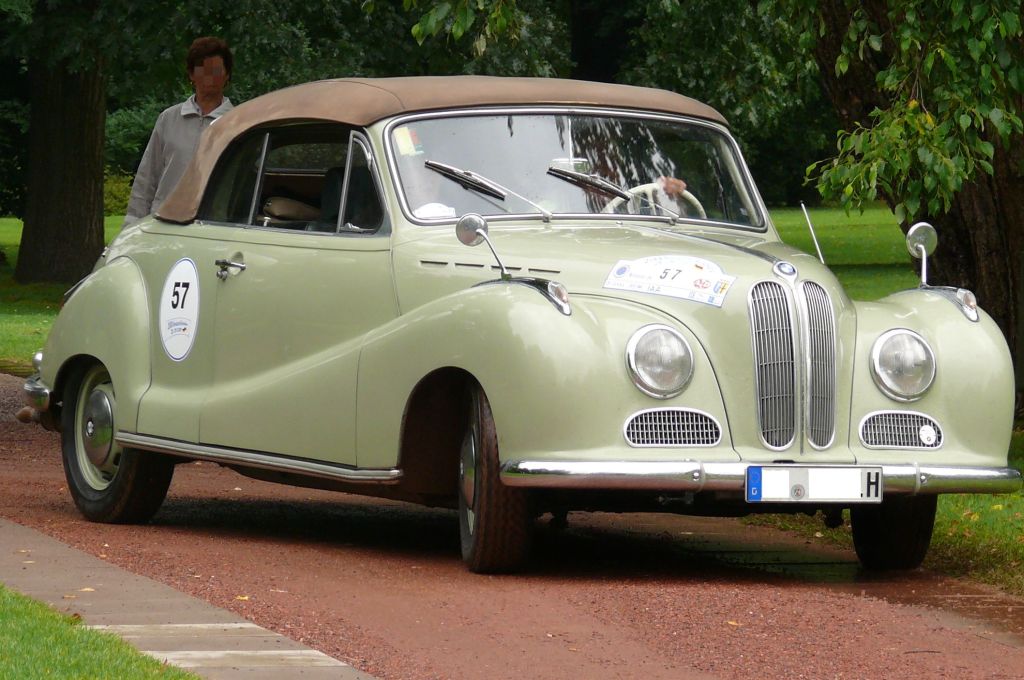
The company returned to vehicle production and introduced automobiles such as the BMW 501.
The BMW 501 was an important post-war luxury model.
It demonstrated that BMW wanted to build not only small economical vehicles but also sophisticated automobiles.
However, the company continued facing financial challenges.
7. The BMW 507 — A Beautiful Luxury Sports Car
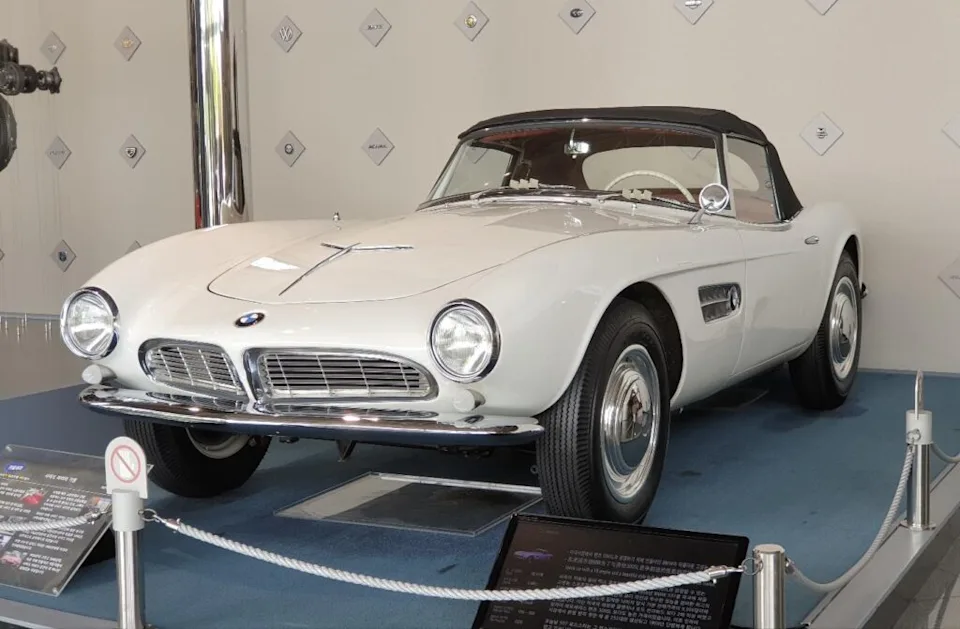
The BMW 507 is one of the most beautiful classic BMWs ever produced.
Introduced during the 1950s, it was a luxurious sports roadster designed to compete in the premium sports-car market.
The 507 had elegant proportions, a long hood and distinctive styling.
Although it was not a major commercial success at the time, it became a highly valuable classic automobile.
Today, the BMW 507 is remembered as an important part of BMW’s design heritage.
It showed that BMW could create automobiles that combined:
Luxury + Beauty + Performance + Exclusivity
This combination would later become central to BMW’s identity.
8. The BMW 1500 and the Beginning of a New BMW Era
The 1960s were extremely important for BMW.
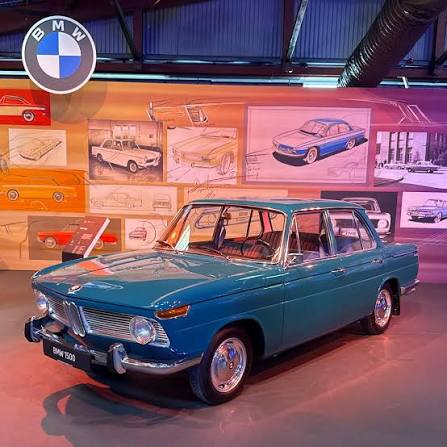
BMW introduced the Neue Klasse family of cars.
The BMW 1500 was particularly significant.
These cars helped establish BMW as a manufacturer of sporty, well-engineered four-door automobiles.
The Neue Klasse created the foundation for the BMW identity that people recognize today.
It emphasized:
- Sporty handling
- Driver-focused engineering
- Four-cylinder engines
- Modern design
- Premium positioning
This historical Neue Klasse should not be confused with BMW’s current Neue Klasse electric-car program, although the modern name deliberately refers to the importance of the original concept.
9. BMW 1600-2 and BMW 2002
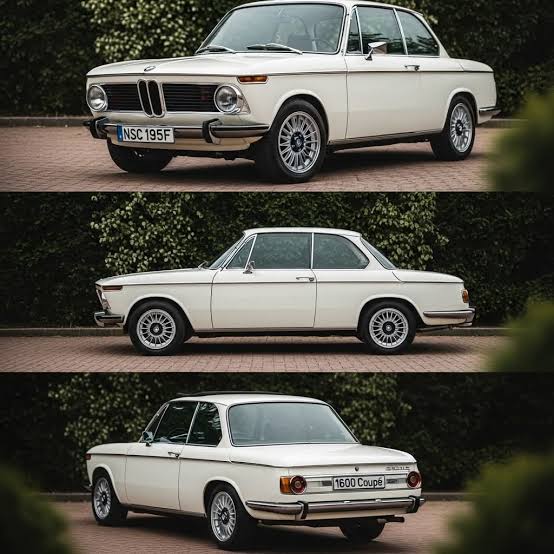
The BMW 02 Series became one of the most important chapters in BMW history.
The BMW 1600-2 arrived in the 1960s.
It was a compact two-door car with sporty handling.
Then came the famous BMW 2002.
The 2002 became a cult classic and helped establish BMW’s reputation for compact performance cars.
BMW itself describes the 02 models as cars that transformed the company’s image and helped create the heritage that continued into the 3 Series.
The BMW 2002 is therefore not just an old BMW.
It is one of the cars that helped create the modern BMW philosophy.
10. BMW 3 Series — The Car That Became an Icon
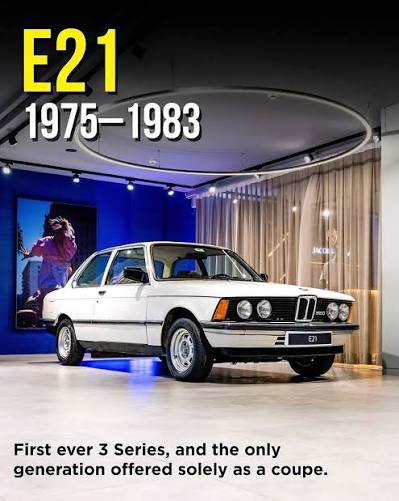
The first-generation BMW 3 Series, known internally as the E21, arrived in 1975.
It became one of BMW’s most important model families.
The 3 Series was designed around a compact premium sedan concept with an emphasis on driving dynamics.
It eventually became available in multiple body styles and engine configurations.
Over generations, the 3 Series became one of the world’s best-known premium sports sedans.
BMW says that more than 18 million BMW 3 Series vehicles have been sold, making it the brand’s most successful model.
Why the 3 Series became so important
It combined:
- Luxury
- Performance
- Everyday practicality
- Rear-wheel-drive heritage
- Driver-focused handling
- Premium interior
- Strong engine options
The 3 Series became the foundation for BMW’s reputation as the ultimate driver’s luxury sedan.
11. BMW 5 Series — Executive Luxury
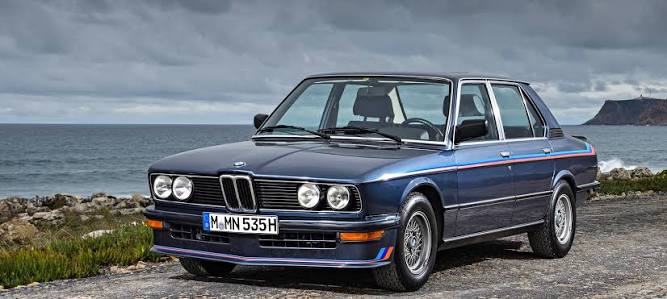
The BMW 5 Series arrived in 1972, before the first 3 Series.
It was positioned above the compact executive models and below the flagship 7 Series.
The 5 Series became known for combining business-class luxury with sporty driving.
It became a major competitor to executive cars from Mercedes-Benz and other premium manufacturers.
The 5 Series has continued through many generations, becoming one of BMW’s most important models.
It represents the middle ground between:
Sporty driving + executive luxury + long-distance comfort.
12. BMW 7 Series — The Flagship Luxury Sedan
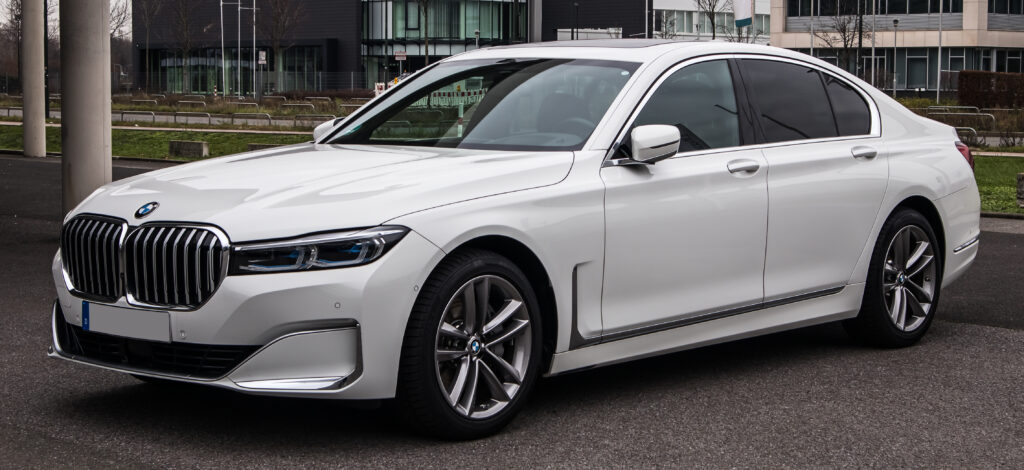
The BMW 7 Series represents the flagship sedan side of BMW.
Introduced in 1977, the 7 Series was designed to compete in the highest levels of luxury automobiles.
It became a showcase for BMW technology.
Over the years, the 7 Series introduced or popularized technologies involving:
- Advanced interiors
- Powerful engines
- Luxury seating
- Driver assistance
- Infotainment
- Electrification
- Premium materials
The 7 Series became the BMW for customers who wanted the highest level of traditional BMW sedan luxury.
Image placement
Use an interior photograph here rather than only an exterior.
Alt text:
“BMW 7 Series luxury interior and executive seating”
13. BMW Motorsport and the Birth of M
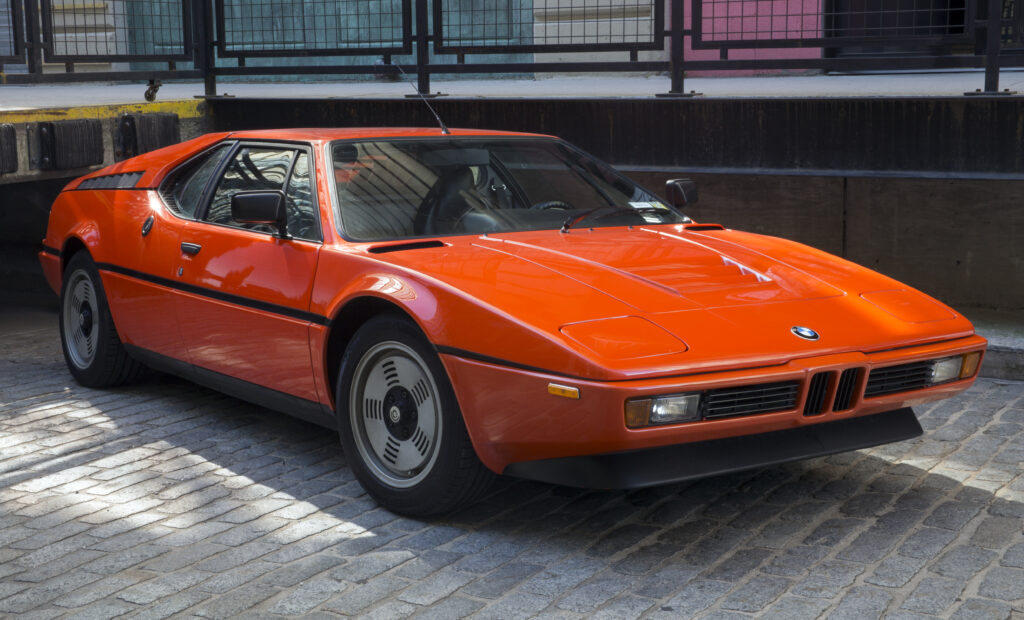
BMW’s performance history eventually led to the creation of BMW M.
BMW Motorsport was created to develop competition and racing vehicles.
The BMW M1 became an important part of this history.
The M division later became responsible for high-performance road cars.
This eventually produced legendary models such as:
- M3
- M5
- M2
- M4
- M8
- XM
BMW M cars are designed to combine everyday usability with significantly greater performance.
14. BMW M3 — A Performance Legend
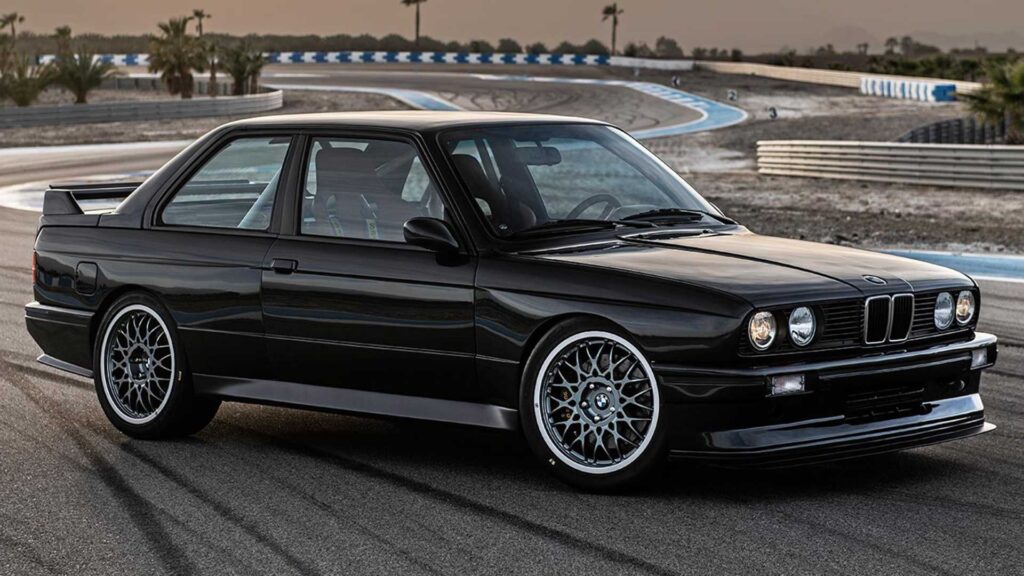
The first BMW M3 was introduced in the 1980s and became one of the most famous performance cars in the world.
The original E30 M3 was developed with motorsport in mind.
Its racing heritage helped make it a legend.
Over the decades, the M3 evolved from a compact performance sedan into a much more powerful and technologically advanced machine.
However, the basic philosophy remained:
Take a practical BMW and increase its performance dramatically.
Why the M3 became famous
The M3 became associated with:
- High-revving engines
- Motor sport technology
- Aggressive styling
- Precise handling
- Powerful braking
- Performance suspension
It became one of the defining names in performance automobiles.
15. BMW M5 — Luxury Meets Super car Performance
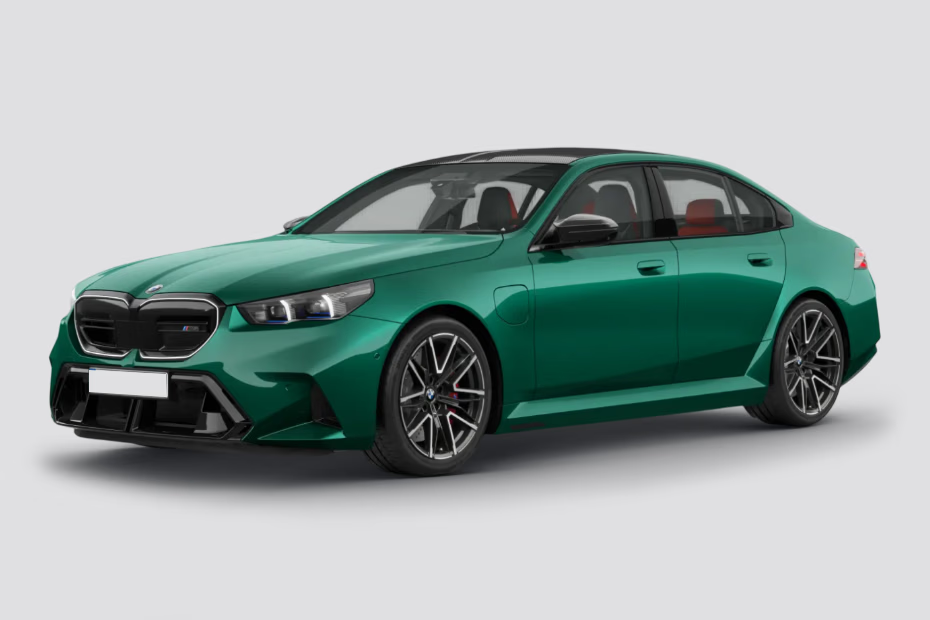
The M5 took another approach.
Instead of starting with a compact sports sedan, BMW transformed the executive 5 Series into a high-performance car.
The result was a vehicle capable of carrying passengers in comfort while delivering extraordinary acceleration and handling.
This created a unique category:
Luxury business sedan + high-performance sports car.
The M5 became one of BMW’s most respected performance models.
It demonstrated that a luxury sedan could also behave like a serious performance machine.
16. BMW Z Series — The Roadster Era
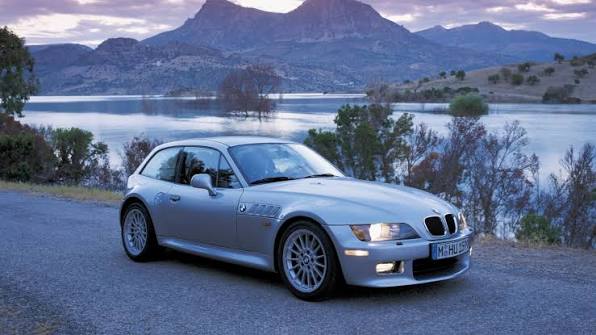
BMW also developed a family of two-seat roadsters.
The BMW Z3 became particularly famous after appearing in the James Bond film GoldenEye.
The Z3 combined:
- Open-top driving
- Compact dimensions
- Sporty styling
- BMW engineering
Later came the Z4, which continued BMW’s roadster tradition.
17. BMW 8 Series — Grand Touring Luxury
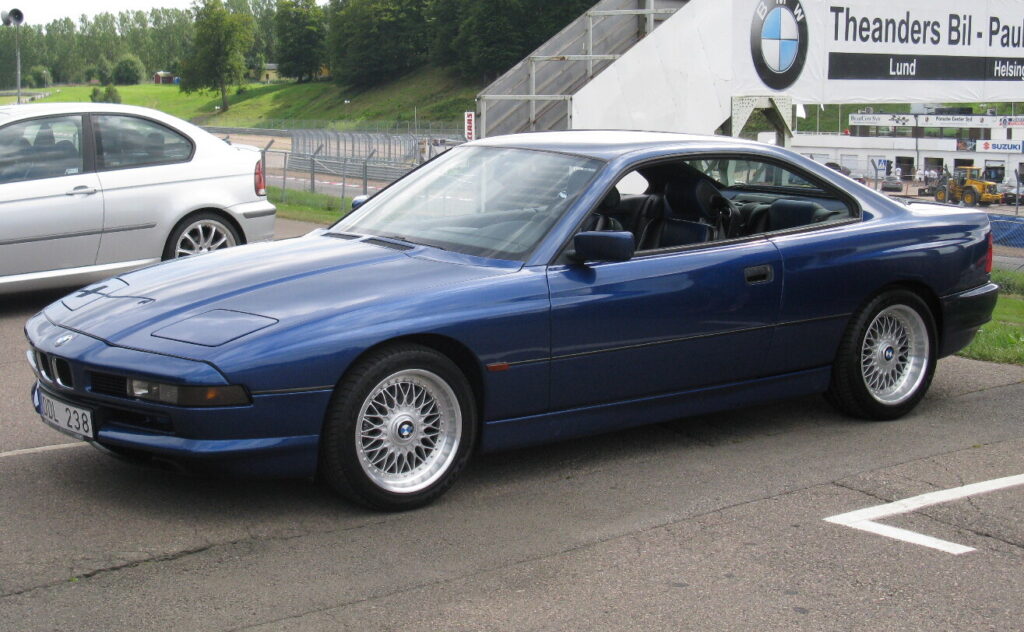
The original BMW 8 Series appeared around the end of the 1980s.
It represented a more luxurious and technologically advanced grand-tourer approach.
The car was designed for high-speed long-distance travel while maintaining BMW performance characteristics.
The 8 Series returned decades later as a modern luxury coupe, convertible and Gran Coupe family.
18. BMW X5 — BMW Enters the SUV Era
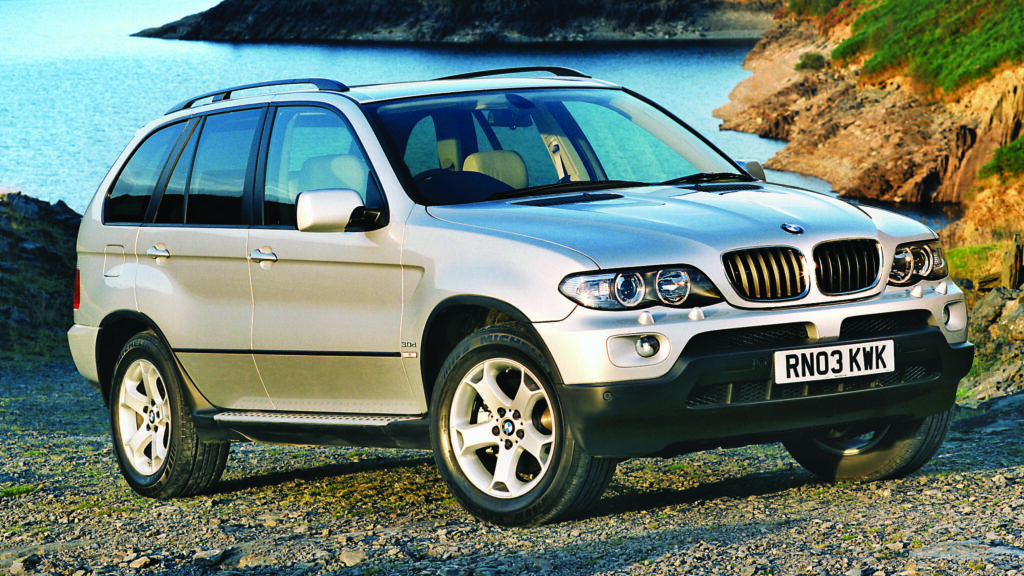
One of the most important BMW launches of the modern era was the BMW X5.
The first-generation X5 arrived in 1999.
BMW entered the growing luxury SUV market while trying to maintain its sporty driving character.
The X5 proved that an SUV could be:
- Luxury-focused
- Comfortable
- Practical
- Powerful
- Fun to drive
The success of the X5 helped create an entire BMW SUV family.
19. The Growth of BMW X Models
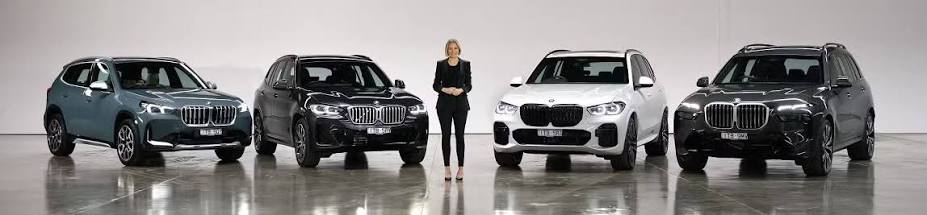
After the success of the X5, BMW expanded its SUV range.
The company introduced models such as:
- X1
- X2
- X3
- X4
- X5
- X6
- X7
These vehicles allowed BMW to serve customers who wanted more space and higher seating positions while maintaining the brand’s premium character.
The X6 introduced the coupe-SUV concept to BMW’s range.
The X7 became the large flagship SUV.
20. BMW and the Luxury Experience
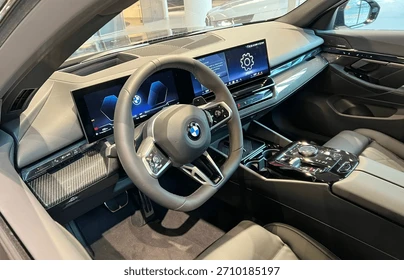
BMW’s reputation is not based only on engines.
Luxury has become an important part of the brand.
Modern BMW vehicles can feature:
- Premium leather or alternative upholstery
- High-quality materials
- Large digital displays
- Advanced sound systems
- Ambient lighting
- Comfortable seats
- Climate control
- Driver assistance
- Connected services
- Advanced navigation
The concept of BMW luxury has changed.
Older luxury cars emphasized physical materials and mechanical engineering.
Modern BMW luxury combines:
Materials + technology + comfort + performance + digital experience.
21. BMW i — The Beginning of the Electric Era
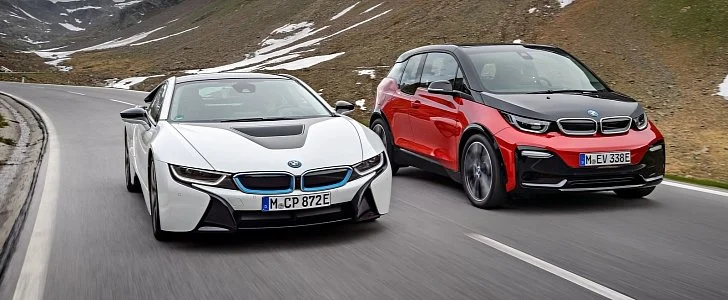
BMW began its modern electric and electrified journey with the BMW i sub-brand.
Two of the most recognizable early models were the BMW i3 and BMW i8.
The i3 was designed as a compact electric city car with an innovative lightweight approach.
The i8 was a plug-in hybrid sports car with futuristic styling.
These vehicles demonstrated that BMW was experimenting with electric propulsion while maintaining a strong focus on design and driving experience.
22. BMW iX — Electric Luxury SUV
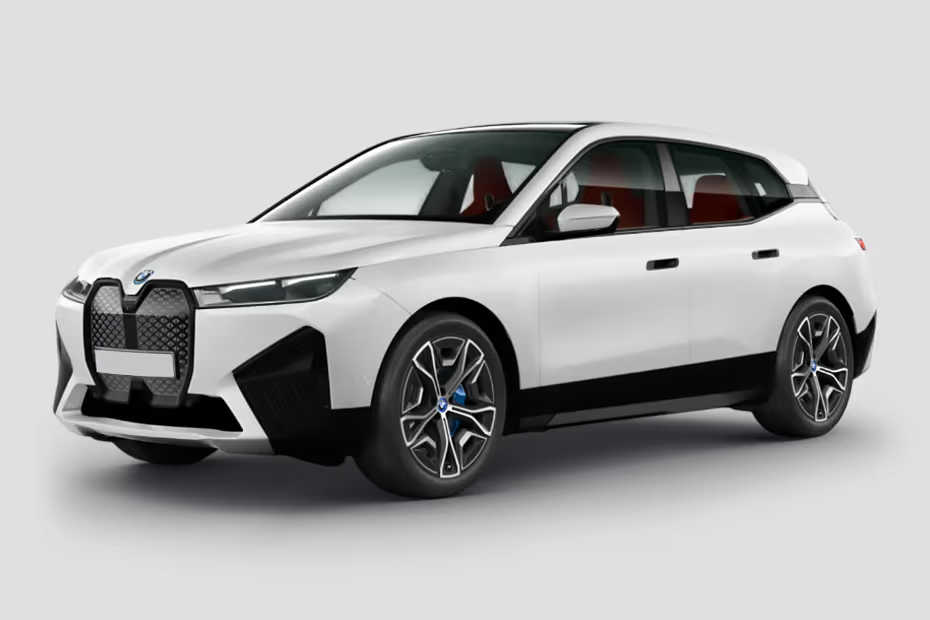
The BMW iX represented a more ambitious electric vehicle.
Instead of being a small electric city car, it was a large premium electric SUV.
It combined:
- Electric power
- Long-distance capability
- Advanced technology
- Premium interior
- Digital interfaces
- Modern design
The iX showed that BMW intended electric vehicles to become a major part of its premium lineup.
23. BMW i4 — Electric Performance Sedan
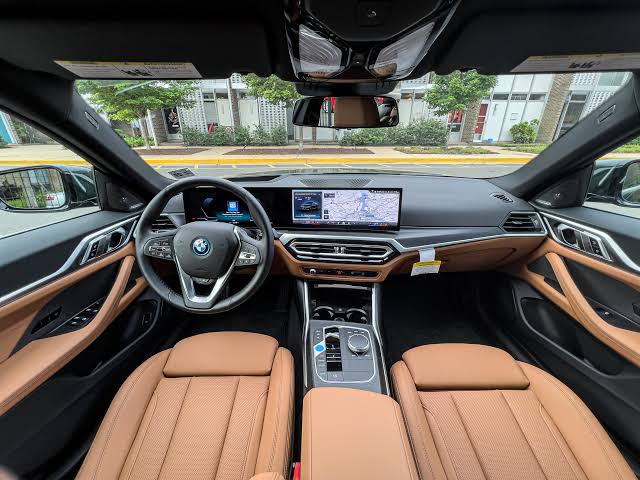
The BMW i4 brought electric technology into the sporty sedan/coupe-style segment.
It showed that BMW could use electric propulsion while maintaining the proportions and driving character associated with its traditional cars.
The i4 became particularly important because it connected BMW’s electric future with the company’s established sedan heritage.
24. BMW i7 — Electric Flagship Luxury
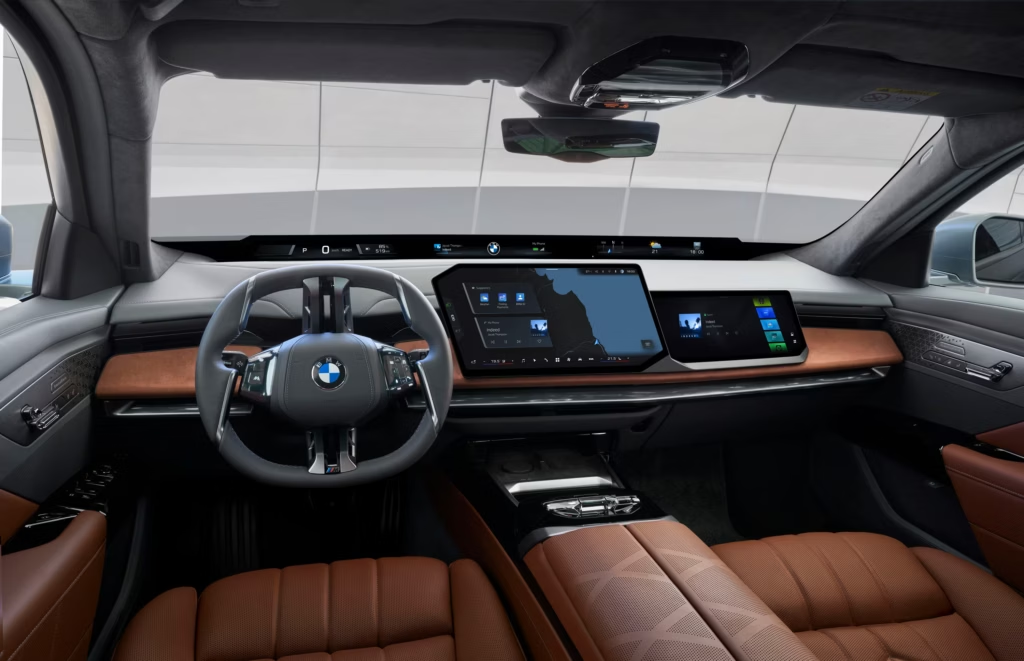
The BMW i7 brought electric propulsion into BMW’s flagship 7 Series family.
This was significant because customers no longer had to choose between flagship luxury and electric power.
The i7 represents BMW’s modern interpretation of electric luxury.
A strong image of the rear-seat entertainment and executive interior would work well here.
Image alt text:
25. BMW XM — High-Performance Electrification
[
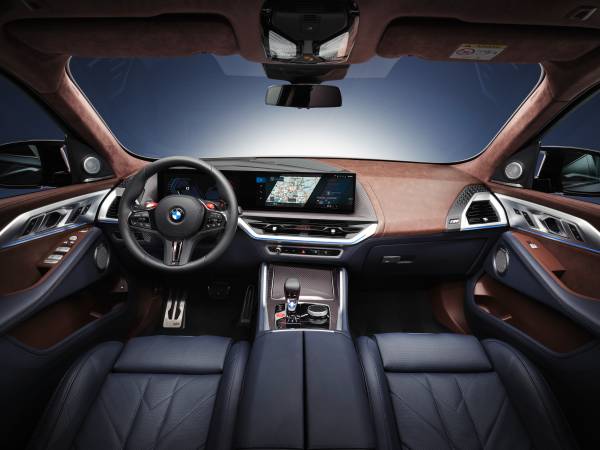
The BMW XM represents another direction for BMW M.
It combines a high-performance engine with electric technology.
This demonstrates how electrification does not necessarily mean BMW is abandoning performance.
Instead, electric motors can provide additional power and immediate torque.
The future of BMW M therefore includes both traditional performance engineering and electrification.
26. BMW’s New Neue Klasse Era
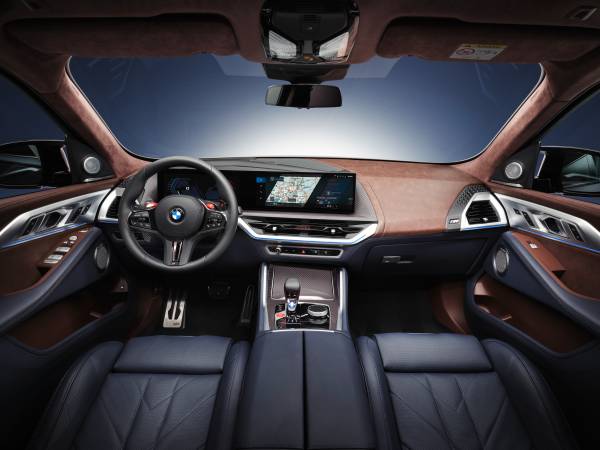
BMW is now entering another major stage called Neue Klasse.
The name is inspired by the historic Neue Klasse cars of the 1960s, but the modern Neue Klasse is focused heavily on electric mobility, digital technology, new design and advanced vehicle architecture.
BMW describes the Neue Klasse as a major transformation involving:
- Electrification
- Digitalisation
- New design
- New production methods
- Advanced electric drive systems
- New display technology
- Driver assistance
- Sustainability
The first production model of this new era is the fully electric BMW iX3, unveiled in 2025.
27. The New BMW iX3
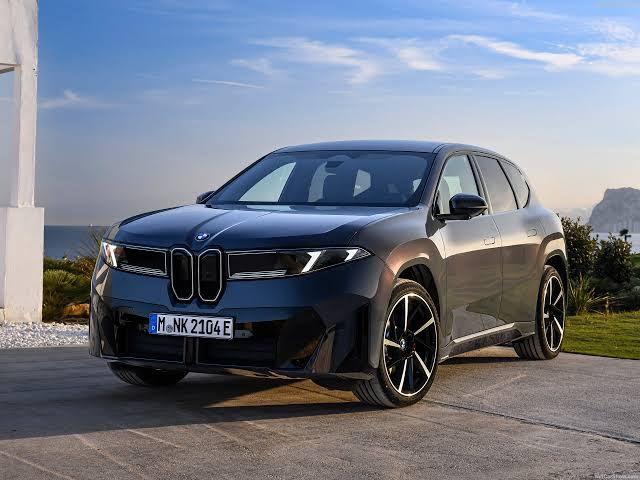
The new BMW iX3 represents the beginning of the modern Neue Klasse generation.
BMW says the vehicle uses sixth-generation BMW eDrive technology, an 800-volt electrical architecture and a new digital experience based around BMW Panoramic iDrive.
BMW quotes a range of up to 900 kilometers in the WLTP cycle for the iX3 under the specified conditions, while noting that some figures are preliminary depending on configuration and market.
The iX3 is therefore more than simply another electric SUV.
It is effectively a technological demonstration of where BMW is heading.
28. The New BMW i3 — A Completely Electric 3 Series Era
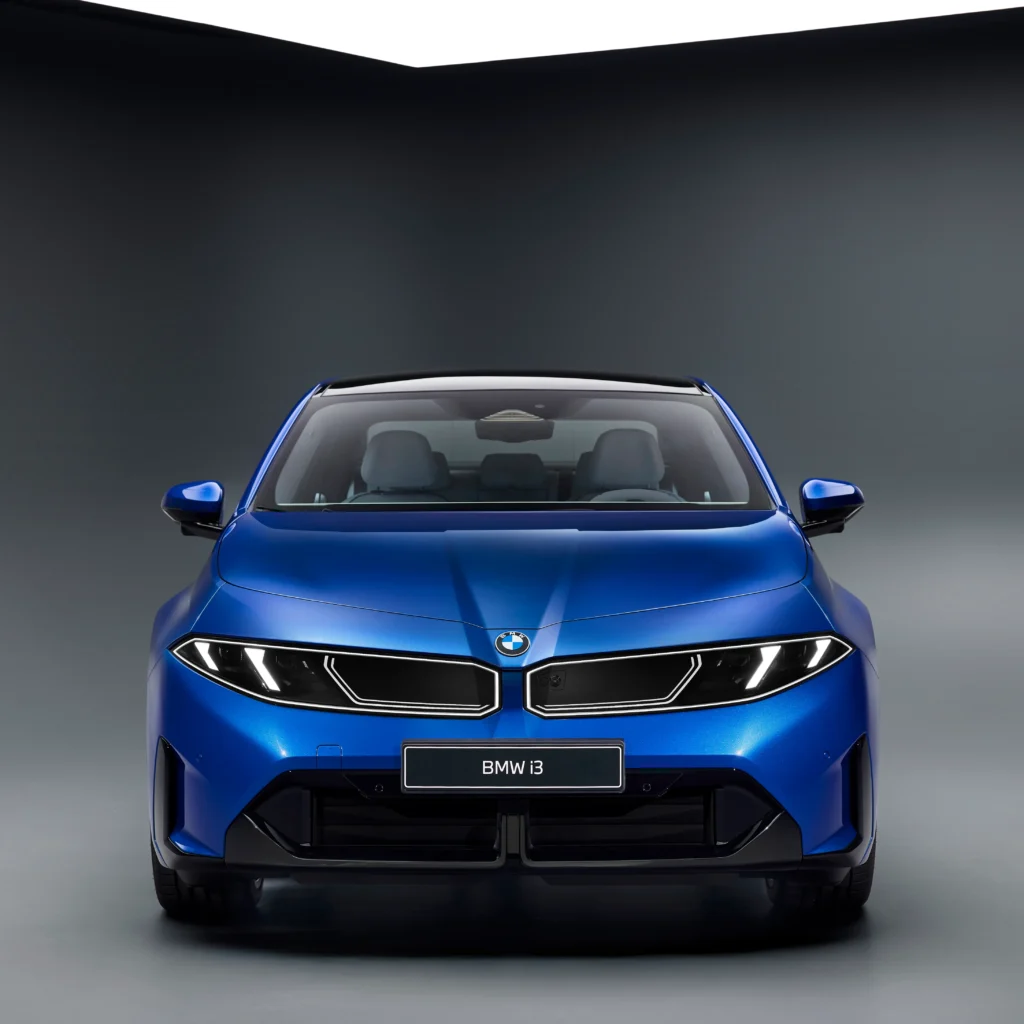
In 2026 BMW introduced the new fully electric BMW i3 as the second production model of the Neue Klasse.
This is particularly important because the 3 Series name has been one of the strongest symbols of BMW.
BMW says the new i3 combines familiar 3 Series proportions with a completely electric drive train and Neue Klasse technology.
The new i3 uses sixth-generation BMW eDrive technology and 800-volt charging.
BMW states a preliminary range of up to 900 kilometers WLTP for the new i3, depending on version and conditions, and says production begins at BMW’s Munich plant.
This is an important point in BMW history:
The 3 Series is entering the electric age without abandoning its identity.
29. BMW Panoramic iDrive and the Digital Future
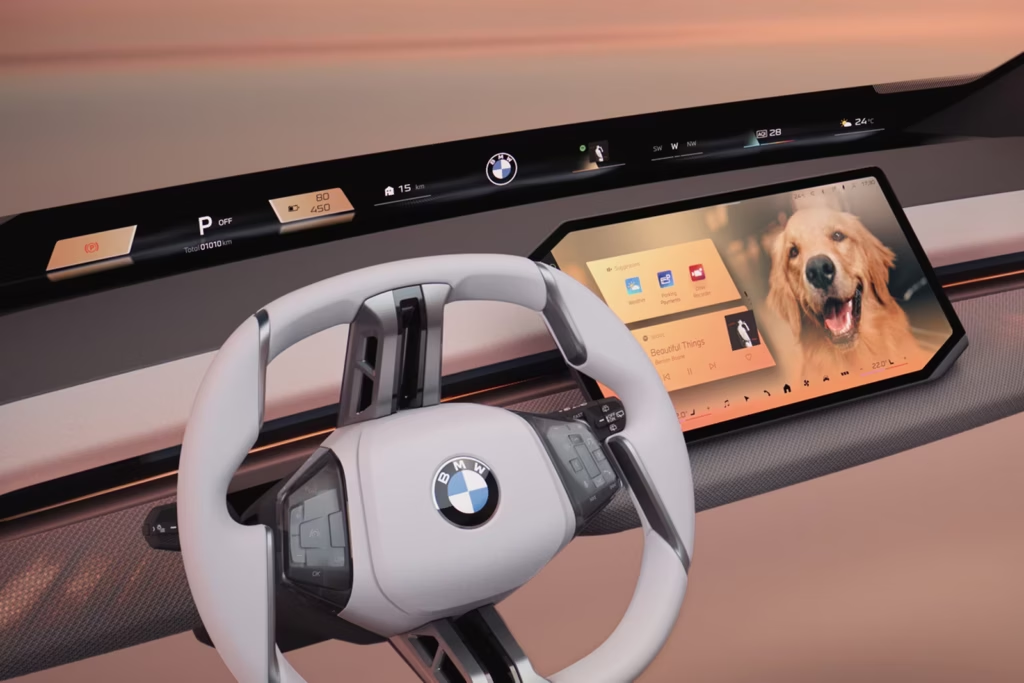
Modern BMW vehicles are becoming increasingly digital.
The Neue Klasse introduces BMW Panoramic iDrive, a new approach to displaying information and controlling the vehicle.
Instead of treating the screen as a simple entertainment system, BMW is designing the digital interface as an important part of the driving experience.
Artificial intelligence is also becoming more important.
BMW has announced an AI-powered BMW Intelligent Personal Assistant using Amazon Alexa+ technology, with natural-language and contextual capabilities being introduced across supported models.
This means the future BMW will increasingly combine:
Mechanical engineering + electric power + software + artificial intelligence.
30. BMW’s Famous Design Language
One of the most recognizable parts of BMW design is the kidney grille.
The grille has changed dramatically over the decades.
Older BMWs had relatively small grilles.
Modern BMWs have experimented with much larger and more expressive designs.
Other recognizable BMW characteristics include:
- Twin headlights
- Hofmeister kink
- Long hood proportions
- Driver-focused cockpit
- Strong shoulder lines
- Rear-wheel-drive proportions on many traditional models
BMW has changed its styling many times, but it continues to maintain visual connections with its history.
31. Why People See BMW as a Symbol of Luxury
BMW has developed a reputation that goes beyond transportation.
For many customers, owning a BMW represents:
- Achievement
- Status
- Engineering quality
- Performance
- Luxury
- Personal success
- Driving enjoyment
The brand combines luxury with sportiness.
This is different from a purely comfort-focused luxury philosophy.
BMW traditionally attempts to make the driver feel involved.
That is why the company has long emphasized the concept of “Sheer Driving Pleasure.”
The luxury experience therefore comes not only from leather, screens and premium materials.
It also comes from how the vehicle feels when it accelerates, turns, brakes and responds to the driver.
32. BMW’s Most Important Model Families
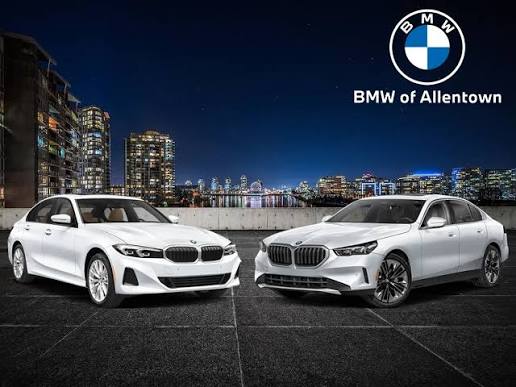
BMW’s history can be understood through several major families.
BMW 3 Series
The compact executive sports sedan.
BMW 5 Series
The executive luxury sedan.
BMW 7 Series
The flagship luxury sedan.
BMW X Series
The SUV and SAV family.
BMW M
High-performance models.
BMW Z
Sports roadsters.
BMW i
Electric and electrified vehicles.
33. BMW’s Journey from Engines to Electric Motors
BMW’s engineering story has changed dramatically.
In its early history, the company became known for aircraft engines.
Then came motorcycles.
Then automobiles.
Then high-performance engines.
Then turbocharged engines.
Then hybrid technology.
Then battery-electric vehicles.
Now BMW is entering an era in which software, artificial intelligence and electric architecture are becoming just as important as mechanical engineering.
The basic engineering philosophy, however, remains recognizable.
BMW continues to focus on:
Performance + technology + driving experience.
34. BMW Through Five Major Eras
The entire history can be divided into five simple eras.
Era 1 — Engineering Origins
1916–1920s
Aircraft engines, industrial engineering and motorcycles.
Era 2 — Sports Car Identity
1930s–1960s
BMW 328, BMW 507 and Neue Klasse.
Era 3 — Modern BMW Identity
1970s–1990s
3 Series, 5 Series, 7 Series, 6 Series, 8 Series and M cars.
Era 4 — Global Luxury Expansion
1990s–2010s
X5, X3, X6, Z models and increasing global expansion.
Era 5 — Electrification and Digitalisation
2010s–2026
BMW i, electric vehicles, plug-in hybrids, advanced software and Neue Klasse.
35. The Future of BMW
[PLACE IMAGE HERE: BMW Neue Klasse future vehicle]
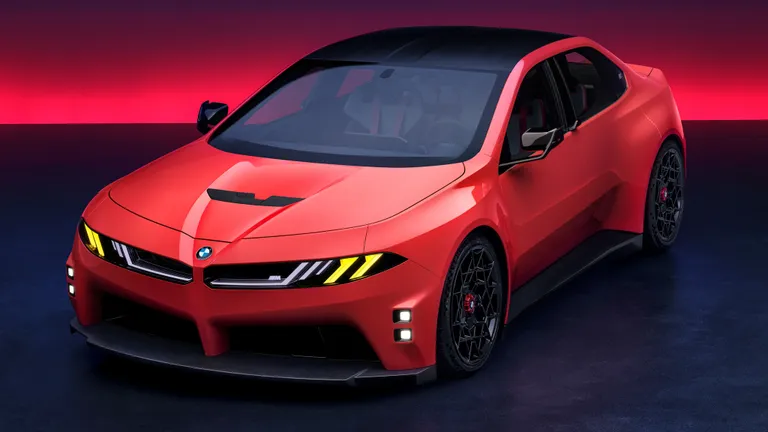
BMW’s next chapter will be strongly influenced by electrification and digitization.
The company says Neue Klasse technologies will be introduced throughout the BMW range, with around 40 new models and model updates expected to incorporate these technologies by 2027.
The future BMW will therefore not simply be defined by horsepower.
It will also be defined by:
- Battery technology
- Charging speed
- Electric motors
- Software
- Artificial intelligence
- Digital displays
- Driver assistance
- Connectivity
- Sustainable production
- New materials
This represents one of the biggest transformations in BMW history.
Conclusion: The BMW Story Continues
BMW’s history is a story of transformation.
The company began with engineering roots connected to aircraft engines.
It entered automobile manufacturing.
It built sports cars.
It survived difficult financial periods.
It created the 02 Series.
It developed the 3 Series and 5 Series.
It established the 7 Series as a luxury flagship.
It created BMW M and produced legendary performance cars.
It entered the SUV market with the X5.
It created the BMW i family.
And now it is entering a new era of electric vehicles, digital technology and artificial intelligence through Neue Klasse.
The fascinating part of BMW’s history is that the company has repeatedly changed while trying to preserve one central idea: the pleasure of driving.
The BMW 328 represented this idea in the 1930s.
The BMW 2002 strengthened it.
The 3 Series made it famous.
The M3 and M5 pushed it toward high performance.
The X5 brought it into the SUV era.
The i3 and iX brought it into electric mobility.
And the new BMW iX3 and BMW i3 are now taking the brand into the Neue Klasse era. BMW says the new i3 entered series production in Munich in August 2026, marking another major step in the transformation of its home plant toward electric production.
The future BMW will look different from the BMW of the past.
Instead of measuring progress only through engine displacement and horsepower, BMW will increasingly measure progress through battery range, charging speed, software capability, artificial intelligence, digital interfaces and electric driving dynamics.
But the goal remains familiar.
From the classic BMW 328 to the modern BMW M cars, from the 3 Series to the 7 Series, from the X5 to the iX3, BMW continues to combine engineering with emotion.
That is why BMW has become more than a car manufacturer.
It has become a symbol of German engineering, luxury, performance and driving pleasure.
And the BMW story is still being written.