Introduction
From a revolutionary touchscreen phone in 2007 to today’s powerful Pro smartphones and Apple’s first foldable iPhone, the history of the Apple iPhone is a story of continuous technological development.
The original iPhone changed the way people thought about mobile phones. It combined a phone, an iPod and an internet communication device into one touchscreen product. Apple described the original iPhone as a combination of three products: a mobile phone, a widescreen iPod and an internet communications device.
Since then, Apple has introduced larger displays, faster processors, better cameras, biometric security, 5G, satellite communication, USB-C, advanced computational photography, Apple Intelligence and professional video capabilities.
By 2026, the iPhone family has reached an entirely different stage. The iPhone 18 Pro and iPhone 18 Pro Max use the A20 Pro chip and introduce a 48MP Fusion Main camera with variable aperture, while Apple has also introduced iPhone Duo, its first foldable iPhone.
This article explains the evolution of the iPhone generation by generation and shows how Apple’s smartphone developed from the original iPhone to today’s advanced devices.
iPhone Evolution Timeline at a Glance
| Year | Major iPhone generation | Major development |
|---|---|---|
| 2007 | iPhone | Multi-touch smartphone revolution |
| 2008 | iPhone 3G | 3G + App Store era |
| 2009 | iPhone 3GS | Major speed improvement |
| 2010 | iPhone 4 | Retina display + new design |
| 2011 | iPhone 4S | Siri + improved camera |
| 2012 | iPhone 5 | Larger display + LTE |
| 2013 | iPhone 5c / 5s | Colorful model + Touch ID + 64-bit |
| 2014 | iPhone 6 / 6 Plus | Larger-screen era |
| 2015 | iPhone 6s / 6s Plus | 3D Touch |
| 2016 | iPhone SE / 7 / 7 Plus | Compact SE + dual camera |
| 2017 | iPhone 8 / 8 Plus / X | Wireless charging + Face ID |
| 2018 | XS / XS Max / XR | Modern X family expanded |
| 2019 | iPhone 11 series | Night Mode + Pro triple cameras |
| 2020 | iPhone SE 2 / iPhone 12 series | 5G |
| 2021 | iPhone 13 series | ProMotion + Cinematic Mode |
| 2022 | SE 3 / iPhone 14 series | Dynamic Island + 48MP Pro camera |
| 2023 | iPhone 15 series | USB-C + titanium Pro design |
| 2024 | iPhone 16 series | Camera Control + Apple Intelligence era |
| 2025 | iPhone 17 series | A19 Pro + advanced 48MP Pro camera system |
| 2026 | iPhone 18 Pro series | A20 Pro + variable aperture |
| 2026 | iPhone Duo | Apple’s first foldable iPhone |
1. Original iPhone — 2007
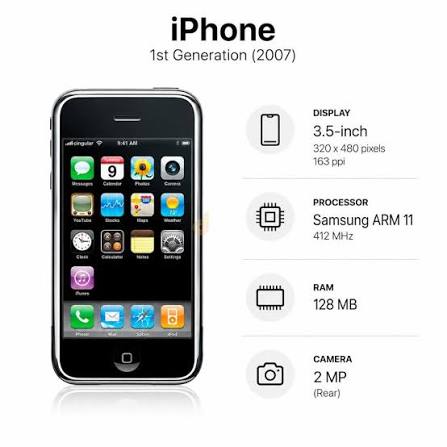
The story begins on January 9, 2007, when Apple introduced the original iPhone.
At the time, smartphones generally relied heavily on physical keyboards, buttons or styluses. Apple took a different approach by introducing a large multi-touch display controlled directly with the user’s fingers.
The original iPhone combined a phone, iPod and internet communication device.
It included a 2MP camera, Wi-Fi, EDGE cellular connectivity, Safari web browsing, email, maps and Apple’s new touchscreen interface.
One important thing to understand is that the original iPhone did not launch with the modern App Store. The App Store arrived with the iPhone 3G generation.
Why the original iPhone was important
The original iPhone established the basic philosophy that would guide Apple’s smartphone development for years:
- Touch-first interface
- Simple hardware design
- Software tightly integrated with hardware
- Large display
- Mobile internet
- Multimedia capabilities
Suggested image alt text:
“Original Apple iPhone 2007 front and rear design”
2. iPhone 3G — 2008
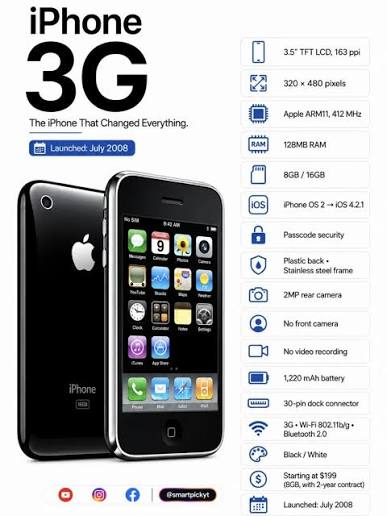
The iPhone 3G arrived in 2008 and brought faster cellular data connectivity.
However, its biggest historical importance was not simply the 3G network.
It was the arrival of the App Store.
The App Store changed the iPhone from a device with a fixed set of functions into a platform that could continuously gain new capabilities.
Developers could create applications for games, business, entertainment, social networking, productivity and many other purposes.
GPS was also introduced, making location-based applications much more useful.
Major improvements
- 3G connectivity
- App Store
- GPS
- Improved software ecosystem
- New plastic rear design
[IMAGE 3 HERE — App Store on early iPhone]
This is a good place in your article to explain to readers how the App Store helped create the modern smartphone-app economy.
3. iPhone 3GS — 2009
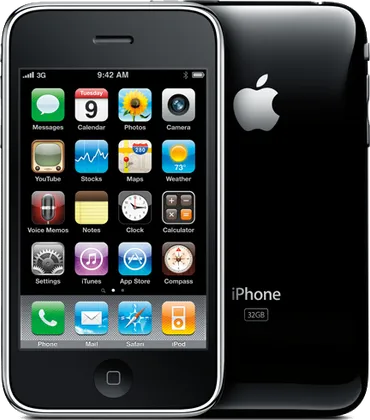
The iPhone 3GS concentrated heavily on performance.
The “S” generation improved processing speed and graphics performance while also upgrading the camera.
The 3GS could record video, which was an important improvement over the original iPhone.
Voice Control also represented an early step toward the much more sophisticated Siri experience that would arrive with the iPhone 4S.
Why it mattered
The 3GS established an important Apple pattern:
New design → improved “S” generation → new design.
This pattern would influence Apple’s product strategy for several years.
4. iPhone 4 — 2010
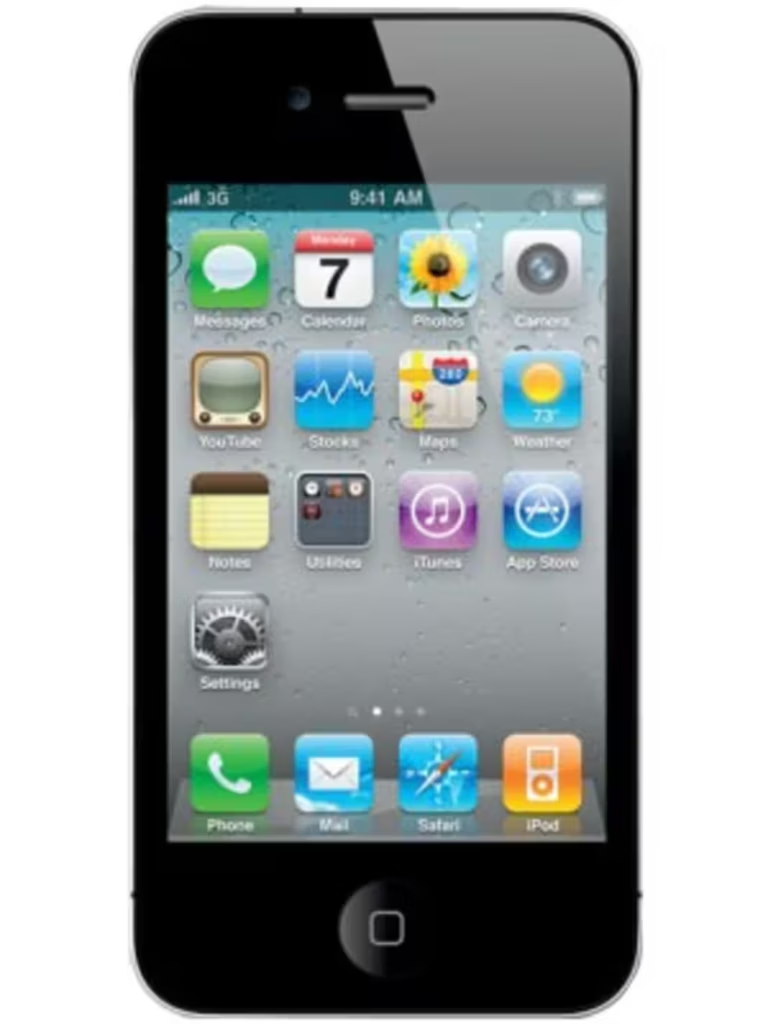
The iPhone 4 introduced one of the most recognizable early iPhone designs.
It used a glass front and back with a stainless-steel frame.
However, the biggest technological change was the Retina display.
The Retina display dramatically increased pixel density, making text, photographs and graphics appear much sharper.
The front-facing camera also enabled FaceTime video calling.
Major developments
- Retina display
- New glass-and-steel design
- Front camera
- FaceTime
- Improved rear camera
- A4 processor
The iPhone 4 demonstrated that the display could be one of the most important parts of the smartphone experience.
5. iPhone 4S — 2011
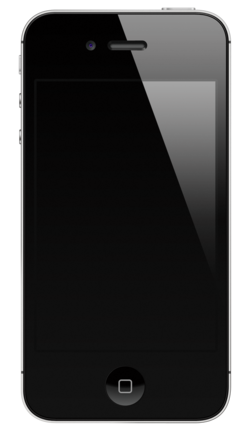
The iPhone 4S looked similar to the iPhone 4 but introduced important internal improvements.
The biggest headline feature was Siri.
Siri allowed users to interact with the iPhone using natural-language voice commands.
The camera was upgraded to 8MP, and Apple’s A5 processor provided a significant performance improvement.
The iPhone 4S became an important bridge between the early touchscreen iPhone and the increasingly intelligent smartphone that Apple would develop later.
6. iPhone 5 — 2012
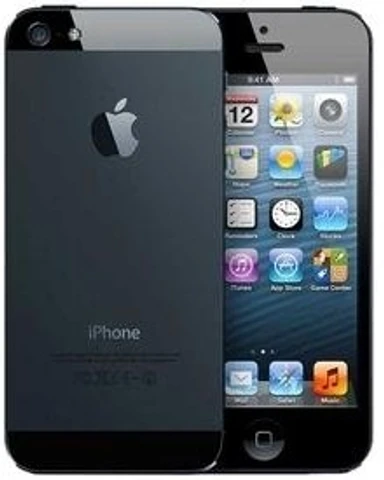
The iPhone 5 introduced a taller 4-inch display.
Apple also introduced the Lightning connector, replacing the older 30-pin connector.
The phone was thinner and lighter than previous generations and introduced LTE connectivity for faster mobile internet.
Major changes
- 4-inch display
- LTE
- Lightning connector
- A6 chip
- Thinner and lighter design
This was an important stage in Apple’s move toward increasingly compact internal engineering.
7. iPhone 5c and iPhone 5s — 2013
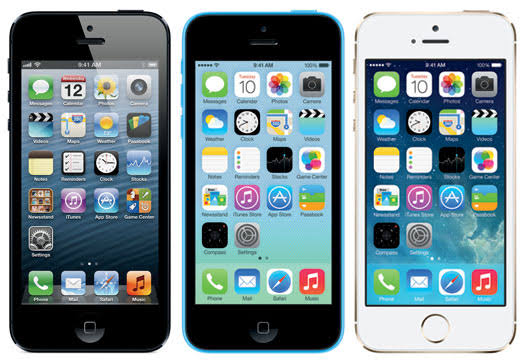
In 2013 Apple introduced two very different approaches.
The iPhone 5c featured a colorful plastic body and was designed as a more colorful alternative.
The iPhone 5s introduced Touch ID.
Touch ID allowed users to unlock the phone using a fingerprint and authenticate purchases.
The 5s also introduced Apple’s first 64-bit smartphone processor, the A7.
This was a major technical milestone.
Why the iPhone 5s mattered
The combination of:
- 64-bit processor
- Touch ID
- Improved camera
- Premium metal construction
made the 5s a particularly important generation in Apple’s technical development.
8. iPhone 6 and iPhone 6 Plus — 2014
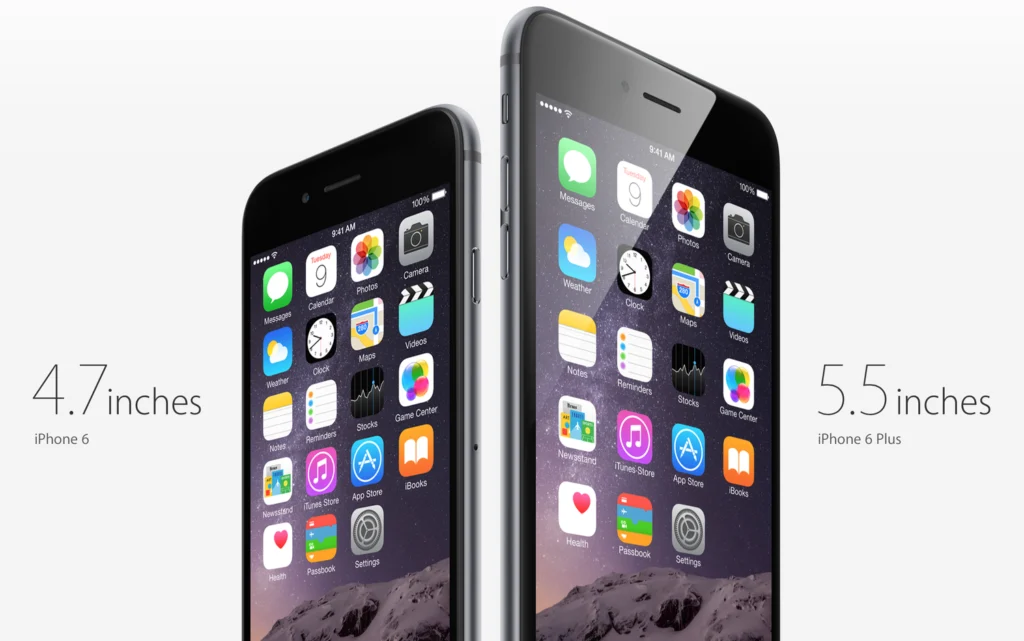
Apple significantly increased screen sizes with the iPhone 6 family.
The iPhone 6 had a 4.7-inch display while the iPhone 6 Plus introduced a much larger 5.5-inch display.
This was Apple’s response to the growing demand for larger smartphones.
The Plus model was particularly attractive to users who wanted a bigger screen for:
- Movies
- Games
- Photography
- Web browsing
- Reading
- Productivity
The larger-screen strategy became a permanent part of the iPhone family.
9. iPhone 6s and iPhone 6s Plus — 2015
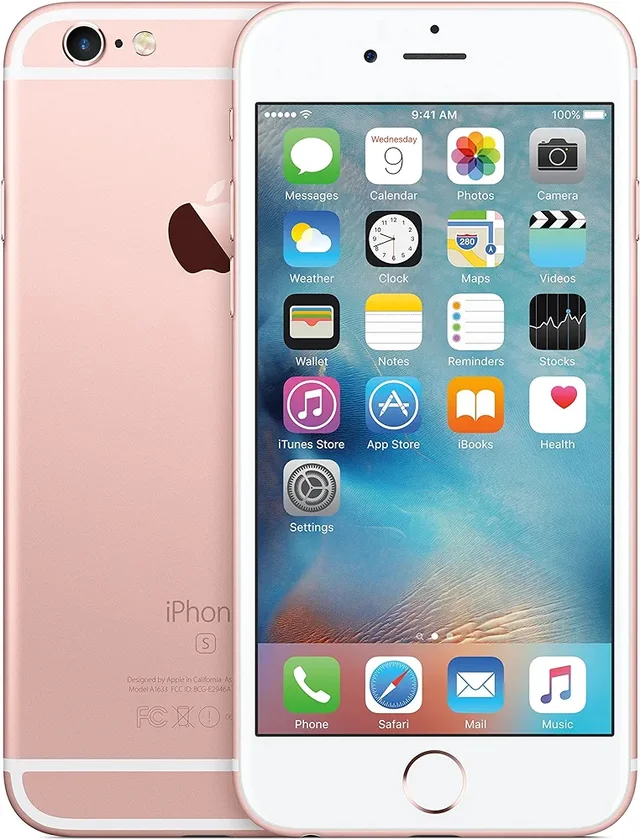
The iPhone 6s generation retained the general design of the iPhone 6 but introduced several technological improvements.
One of the most notable was 3D Touch.
The display could detect different levels of pressure, allowing applications to respond differently depending on how strongly the user pressed.
The A9 processor improved performance and efficiency, while the rear camera was upgraded to 12MP.
The 6s generation demonstrated Apple’s strategy of keeping a familiar external design while improving internal technology.
10. iPhone SE — 2016
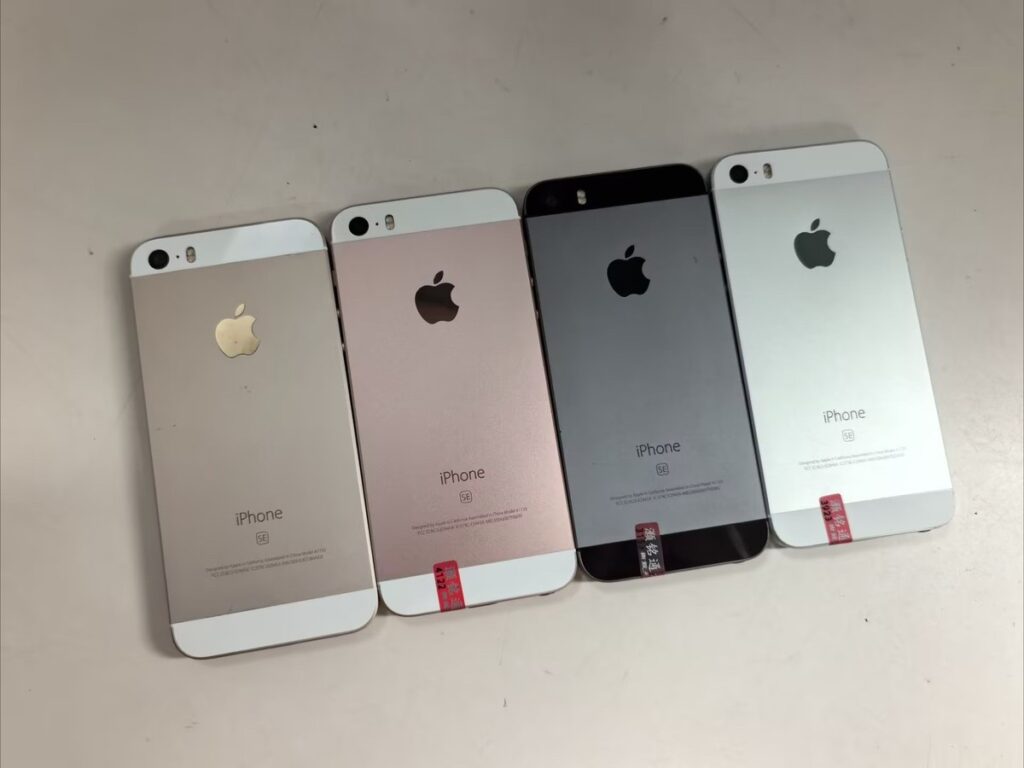
The first-generation iPhone SE was unusual because it combined a compact body with modern internal hardware.
It was aimed at users who preferred the smaller 4-inch form factor.
The SE concept became important because Apple could continue offering a smaller, familiar design while using newer processor technology.
The SE line would later return in 2020 and 2022.
11. iPhone 7 and iPhone 7 Plus — 2016
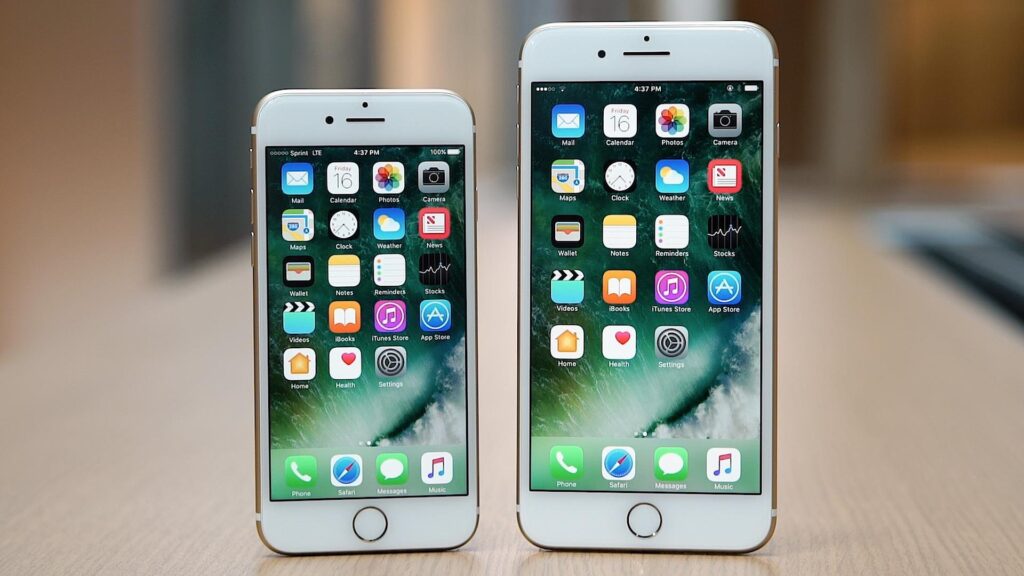
The iPhone 7 generation introduced major changes to the physical design and camera system.
Apple removed the traditional 3.5mm headphone jack.
The phones also offered improved water and dust resistance.
The iPhone 7 Plus was particularly important because it introduced a dual-camera system.
The second camera enabled optical zoom capabilities and helped introduce Apple’s Portrait Mode photography.
This generation marked the beginning of Apple’s much stronger focus on computational photography.
12. iPhone 8 and iPhone 8 Plus — 2017
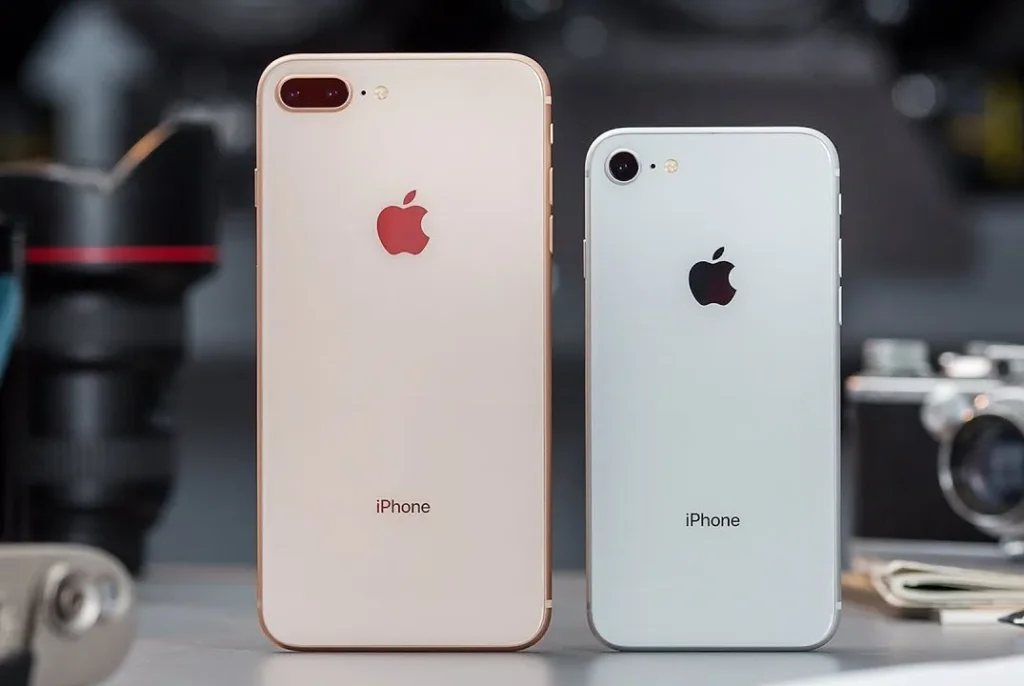
The iPhone 8 and 8 Plus retained the familiar Home-button design but introduced glass backs.
The glass construction enabled wireless charging.
The A11 Bionic processor provided a major performance improvement.
The iPhone 8 series is historically important because it launched alongside Apple’s radically redesigned iPhone X.
13. iPhone X — 2017
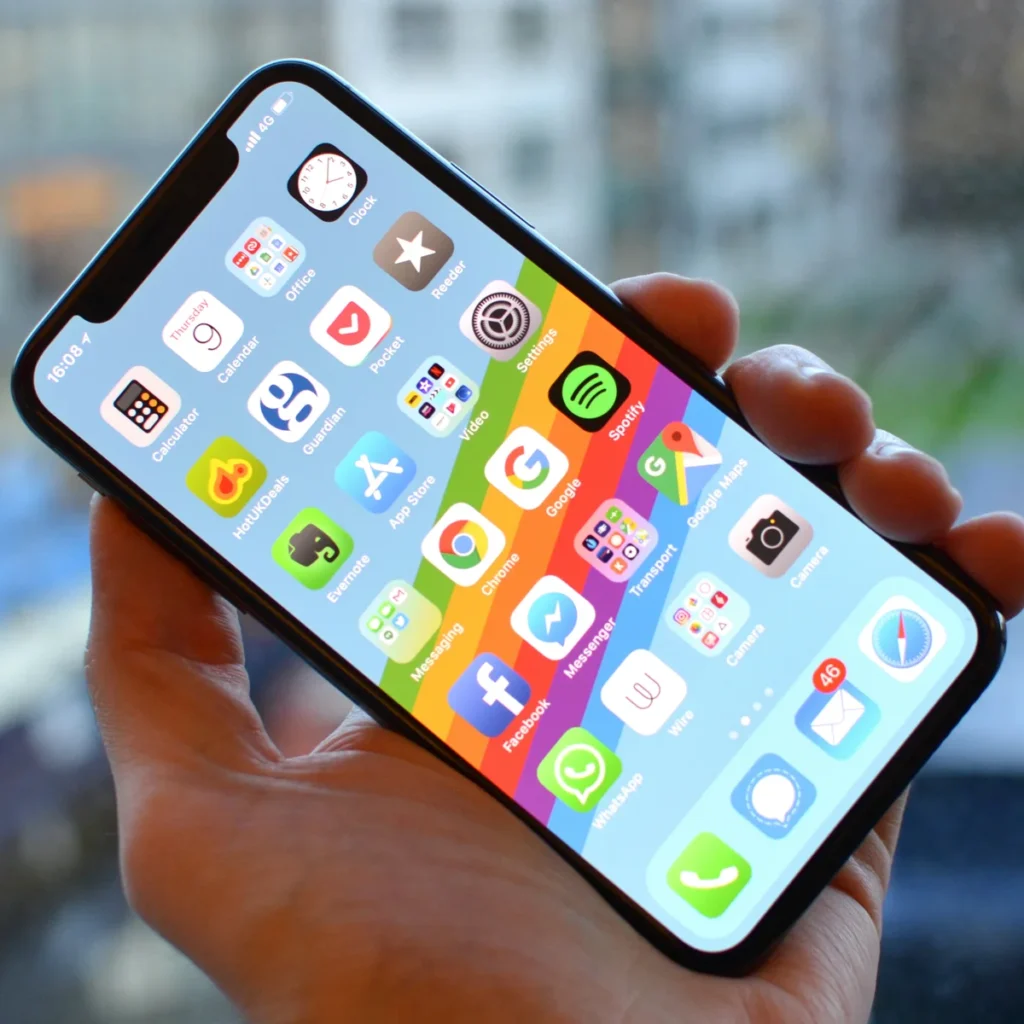
The iPhone X was one of the most significant iPhones ever released.
Apple removed the Home button and introduced a large edge-to-edge OLED display.
The device introduced Face ID, using the TrueDepth camera system for facial authentication.
Instead of pressing the Home button to navigate, users interacted with the phone using gestures.
The iPhone X established the design language that would influence many subsequent iPhone generations.
Major innovations
- OLED display
- Face ID
- No Home button
- Gesture navigation
- Edge-to-edge design
- TrueDepth camera
This is a good location for a close-up image of the notch and TrueDepth camera system.
14. iPhone XS, XS Max and XR — 2018
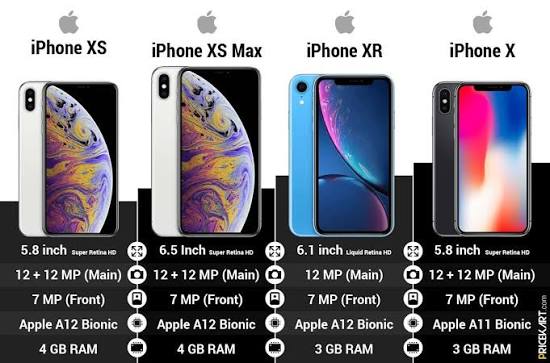
Apple expanded the X design into a broader product family.
The XS offered a premium OLED experience.
The XS Max offered a much larger display.
The XR provided the modern Face ID design at a lower price point and used an LCD display.
This generation demonstrated Apple’s growing strategy of offering different iPhones for different customer groups.
15. iPhone 11, 11 Pro and 11 Pro Max — 2019
The iPhone 11 generation placed a major emphasis on photography.
The standard iPhone 11 used a dual-camera system.
The Pro models introduced triple cameras.
Night Mode significantly improved low-light photography.
The A13 Bionic processor provided strong performance for applications, games and photography processing.
The iPhone 11 Pro Max became particularly attractive to users who wanted:
- Large display
- Long battery life
- Premium build
- Advanced cameras
- High-end performance
16. iPhone SE — 2nd Generation — 2020
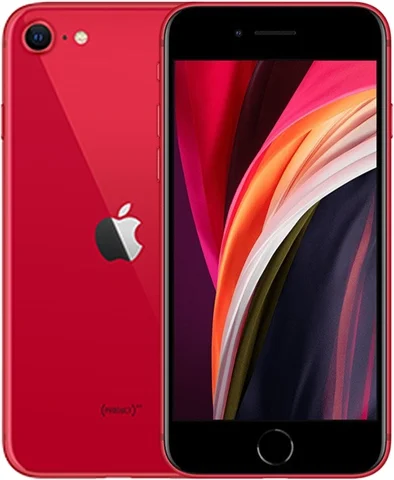
The second-generation iPhone SE returned to Apple’s traditional Home-button design.
It combined the familiar compact form factor with the A13 Bionic processor.
This made it an attractive option for people who wanted modern performance without the cost or size of Apple’s premium Pro models.
The SE demonstrated that Apple’s product range could serve both users who wanted the latest design and users who preferred traditional designs.
17. iPhone 12, 12 mini, 12 Pro and 12 Pro Max — 2020
The iPhone 12 generation introduced a new flat-edge design and brought 5G connectivity to the iPhone family.
The four-model lineup included:
- iPhone 12
- iPhone 12 mini
- iPhone 12 Pro
- iPhone 12 Pro Max
The mini model was particularly interesting because it offered a smaller form factor with modern technology.
The Pro models continued Apple’s development of advanced cameras and premium materials.
Why iPhone 12 was important
5G represented a major connectivity transition.
The iPhone was no longer simply becoming faster internally; it was also becoming capable of using a new generation of cellular networks.
18. iPhone 13 Series — 2021
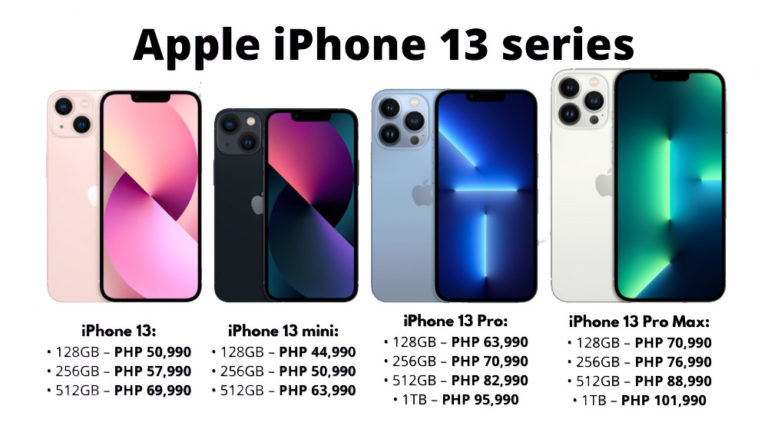
The iPhone 13 family included:
- iPhone 13
- iPhone 13 mini
- iPhone 13 Pro
- iPhone 13 Pro Max
The Pro models introduced ProMotion, supporting adaptive refresh rates up to 120Hz.
This made scrolling, animations and gaming feel smoother.
Apple also introduced Cinematic Mode, bringing a depth-of-field style video effect to iPhone video recording.
The iPhone 13 generation therefore continued Apple’s movement toward treating the iPhone as a serious video-production device.
19. iPhone SE — 3rd Generation — 2022
[IMAGE 21 HERE — iPhone SE 3rd generation]
The third-generation iPhone SE continued the classic Home-button design.
It brought 5G connectivity and the A15 Bionic chip into the SE form factor.
The model was aimed at users who wanted:
- Touch ID
- Compact design
- Familiar controls
- Modern processor
- 5G
20. iPhone 14, 14 Plus, 14 Pro and 14 Pro Max — 2022
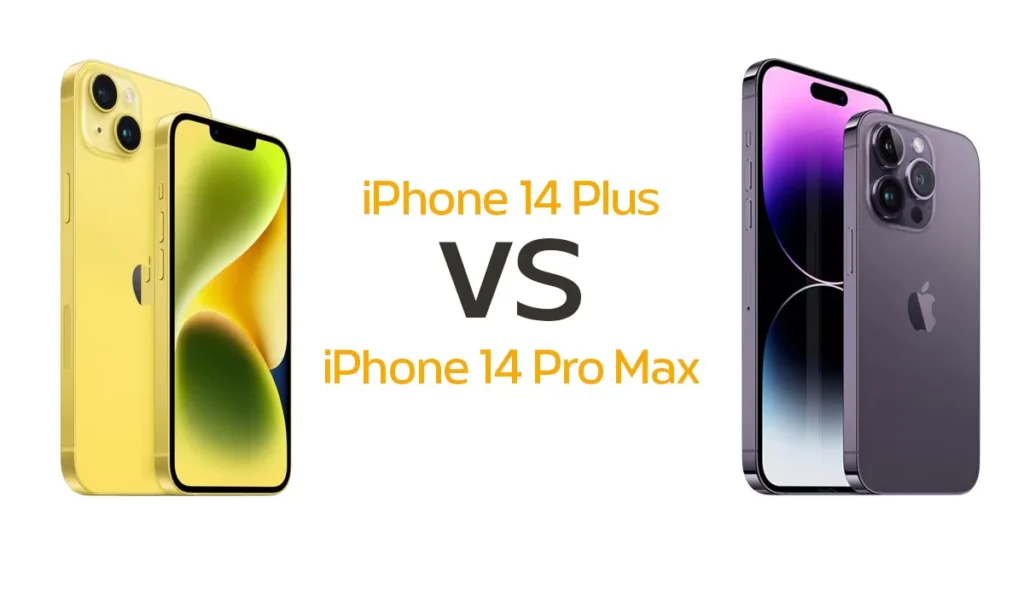
The iPhone 14 generation introduced an important distinction between Apple’s standard and Pro models.
The Pro models introduced the Dynamic Island, replacing the traditional notch approach with an interactive area around the front camera system.
The iPhone 14 Pro models also introduced a 48MP Main camera.
This generation further established the Pro iPhone as a device aimed at photography enthusiasts and professional creators.
Other important developments included satellite-based emergency communication features in supported regions.
21. Phone 14, 14 Plus, 14 Pro and 14 Pro Max — 2022
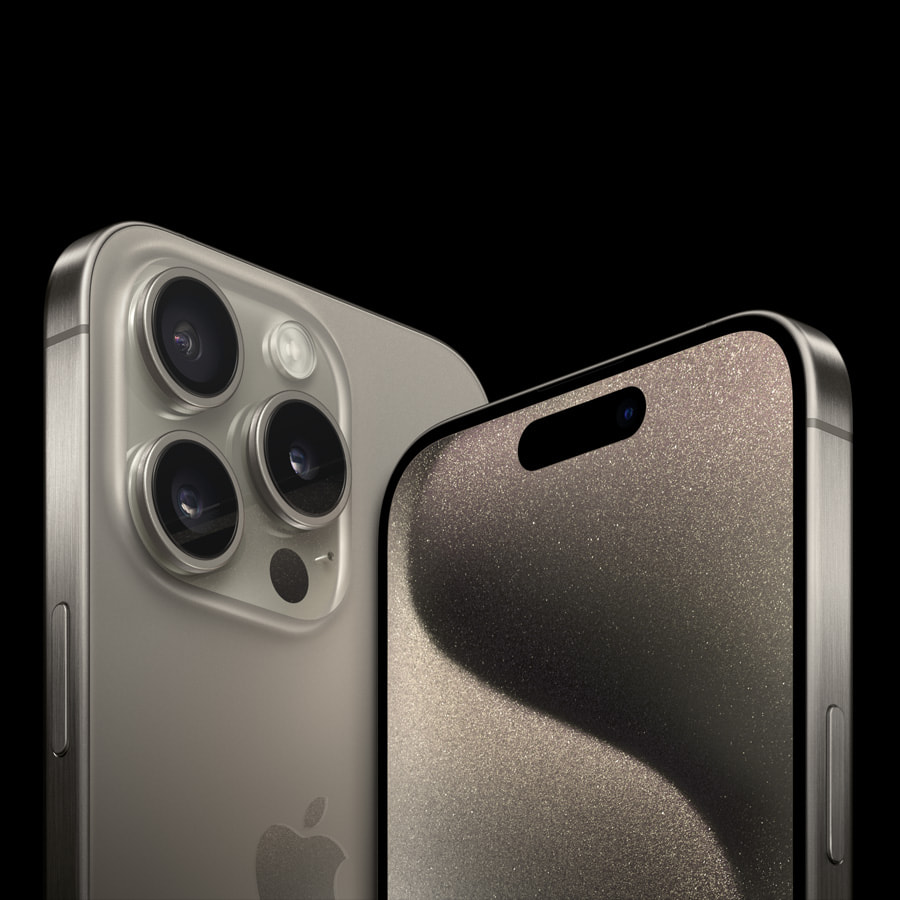
The iPhone 15 generation introduced one of Apple’s biggest connector changes.
Apple moved from Lightning to USB-C.
The standard iPhone 15 models also gained a 48MP Main camera and Dynamic Island.
The Pro models introduced a titanium design and Action button.
The iPhone 15 Pro Max introduced a tetraprism telephoto system for longer-range optical photography.
Why USB-C mattered
USB-C meant users could use a common modern connector for charging and data transfer across many devices.
For content creators, USB-C also opened up faster wired workflows for transferring large video files.
[IMAGE 24 HERE — iPhone 15 Pro Max USB-C port]
This is an excellent image to include because it visually demonstrates one of the most important hardware changes.
22. iPhone 16 Series — 2024
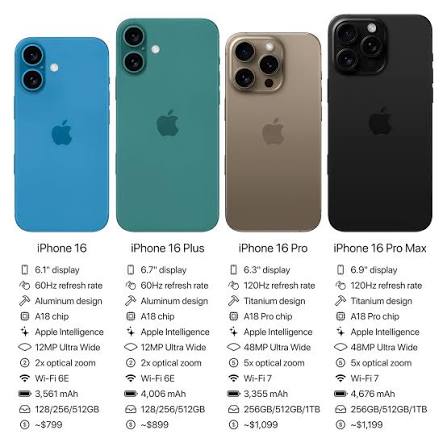
The iPhone 16 generation continued Apple’s transition toward AI-powered smartphones.
One of its notable hardware additions was Camera Control.
Camera Control provided a dedicated physical control for launching and interacting with the camera.
The Pro models continued Apple’s emphasis on advanced photography and video.
The A18 family of processors supported the increasingly important Apple Intelligence experience.
This generation represents an important transition:
The iPhone was becoming not just a smartphone with AI features, but an increasingly AI-oriented computing platform.
23. iPhone 17 Series — 2025
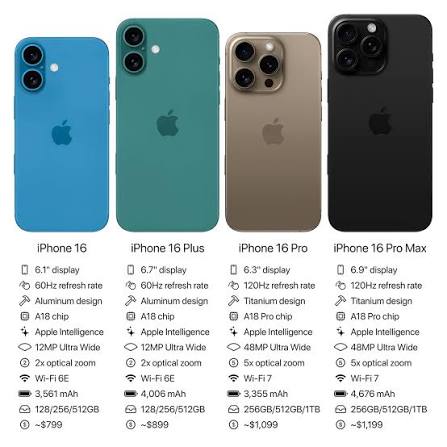
The iPhone 17 generation introduced another major stage in Apple’s evolution.
The Pro models used the A19 Pro chip and introduced a new aluminum unibody design with an Apple-designed vapor chamber for thermal management.
Apple says the new architecture enabled up to 40 percent better sustained performance compared with the previous generation.
The iPhone 17 Pro and Pro Max also featured three 48MP Fusion cameras:
- Main
- Ultra Wide
- Telephoto
Apple described the camera system as offering the equivalent of eight lenses, with up to 8x optical-quality zoom.
The iPhone 17 Pro Max reached up to 39 hours of video playback according to Apple’s technical specifications.
iPhone Air
The 2025 generation also introduced the iPhone Air, giving Apple a new thin and lightweight product category.
[IMAGE 27 HERE — iPhone Air side profile]
For your blog, this is an excellent place to compare the evolution of iPhone thickness and design from the original iPhone to iPhone Air.
24. iPhone 17e — 2026
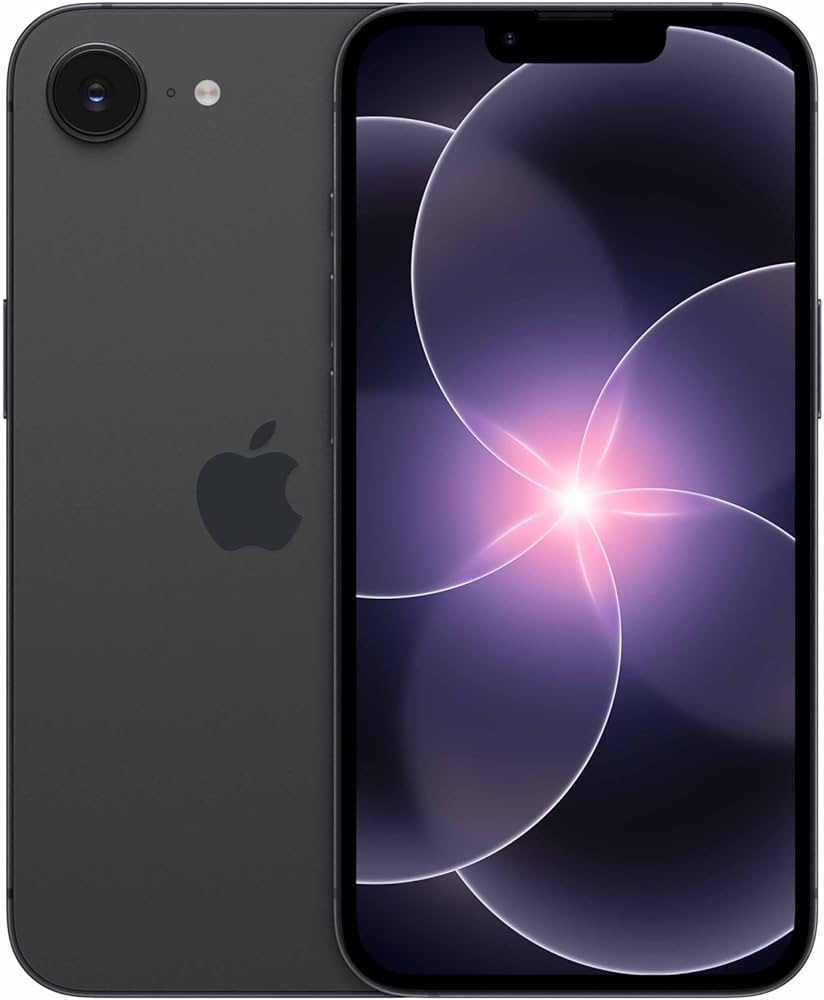
Apple’s current 2026 lineup also includes the iPhone 17e.
The “e” approach represents Apple’s effort to provide a value-focused iPhone within the modern generation.
This gives Apple a broader product ladder:
Entry/value → standard → Air → Pro → Pro Max → foldable
The exact positioning can change as Apple’s lineup evolves, so readers should always check Apple’s current model comparison page when deciding between models. Apple’s current comparison page lists iPhone 17e alongside the newer 17, Air and 18 Pro family.
25. iPhone 18 Pro and iPhone 18 Pro Max — 2026
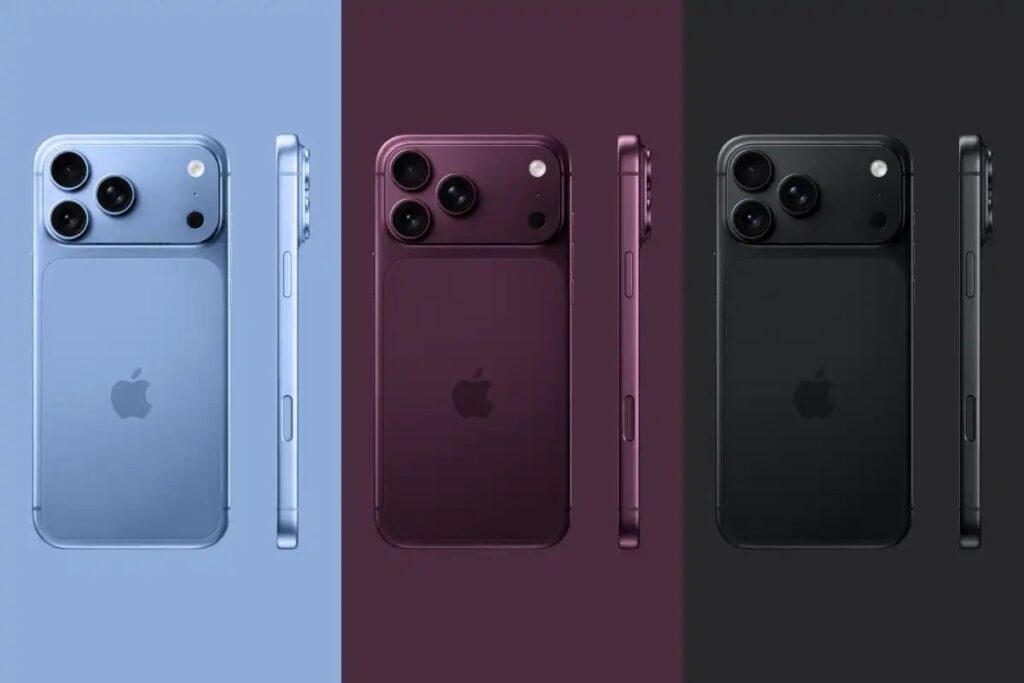
The iPhone 18 Pro generation represents the latest traditional Pro Max stage of the iPhone story.
Apple announced the iPhone 18 Pro and iPhone 18 Pro Max on September 9, 2026, with availability beginning September 18.
The iPhone 18 Pro models introduce several major technologies.
A20 Pro
The iPhone 18 Pro uses the A20 Pro chip.
Apple says the chip is built using a 2-nanometer process and includes a 6-core CPU, 7-core GPU and dual 16-core Neural Engine.
This is particularly important for:
- On-device AI
- Gaming
- Computational photography
- Video processing
- Advanced applications
The iPhone 18 Pro Max Display
[IMAGE 30 HERE — iPhone 18 Pro Max display]
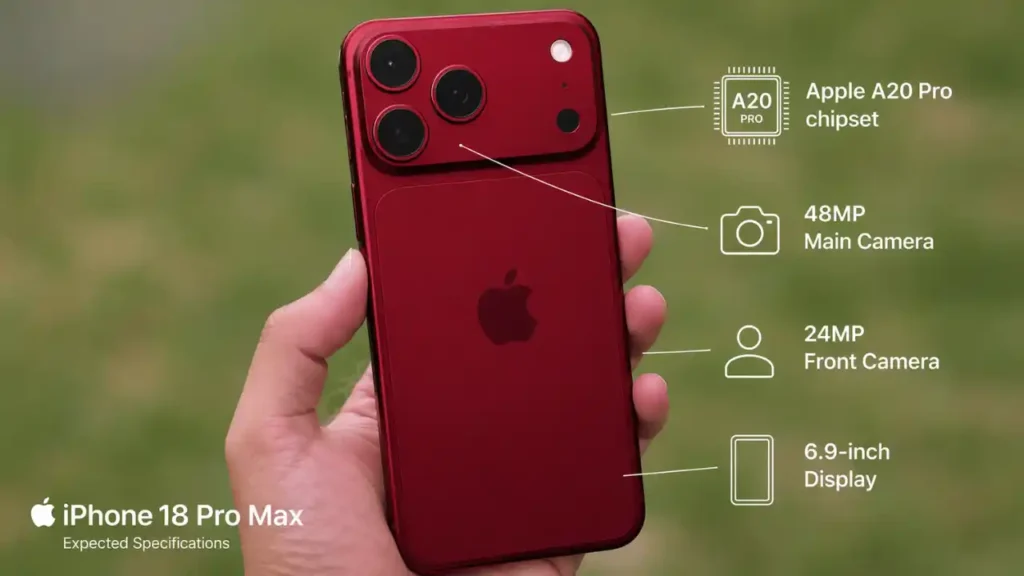
The iPhone 18 Pro Max has a 6.9-inch all-screen OLED display with 2868 × 1320 resolution at 460 pixels per inch.
It includes:
- Super Retina XDR
- Dynamic Island
- Always-On display
- ProMotion up to 120Hz
- HDR
- True Tone
- Wide color
- Up to 3,000 nits outdoor peak brightness
Apple’s official specifications confirm the 6.9-inch display and these display technologies.
iPhone 18 Pro Max Camera
[IMAGE 31 HERE — iPhone 18 Pro Max rear camera system]
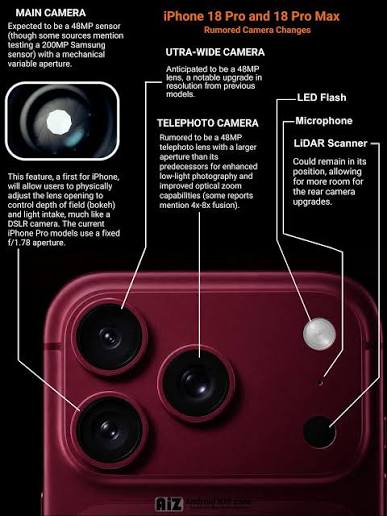
The camera system is arguably the biggest story of the iPhone 18 Pro generation.
The main camera remains a 48MP Fusion system, but Apple introduces something particularly significant:
Variable aperture.
The Main camera can change aperture across four settings:
- f/1.48
- f/1.8
- f/2.8
- f/4.0
Apple says the system uses six laser-cut blades to smoothly transition between aperture settings.
This allows the camera to automatically adapt to lighting and depth-of-field requirements while also giving photographers manual control.
This is an important development because it gives the iPhone a camera characteristic traditionally associated with dedicated cameras.
The Pro camera system includes:
- 48MP Fusion Main
- 48MP Fusion Ultra Wide
- 48MP Fusion Telephoto
- 2x optical-quality telephoto
- 4x Telephoto
- Up to 8x optical-quality zoom
- Up to 40x digital zoom
- Pro controls
- ProRAW
- Macro photography
- Night Mode
- Spatial photography
iPhone 18 Pro Max for Video Creators
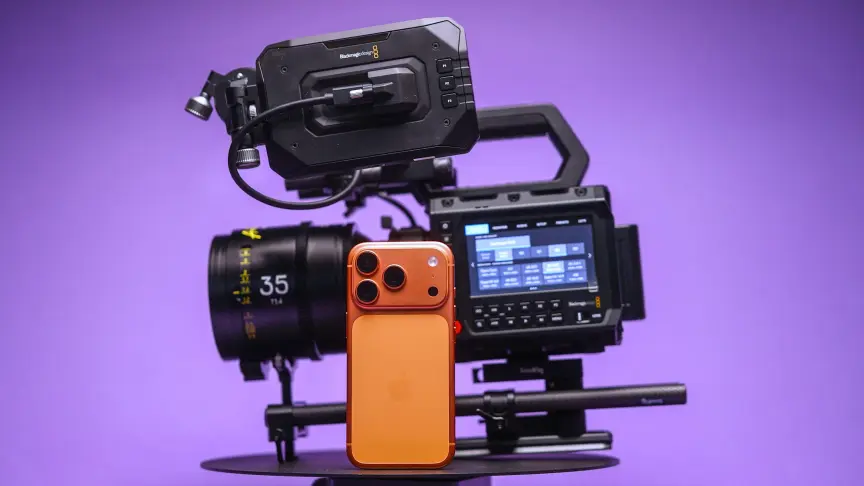
Apple has increasingly positioned the iPhone as a professional video-production tool.
The iPhone 18 Pro generation supports professional features including:
- 4K Dolby Vision
- ProRes
- ProRes RAW
- Apple Log 2
- Cinematic Mode
- Audio Mix
- Spatial audio
- Advanced stabilization
The camera app also adds professional controls for:
- Aperture
- Shutter speed
- White balance
- Histogram
For your blog, this section is a good place to include a photograph of an iPhone mounted on a tripod or used for filmmaking.
iPhone 18 Pro Max Battery
Battery life has become increasingly important as smartphone processors and displays become more powerful.
Apple’s technical specifications list up to 43 hours of video playback for the iPhone 18 Pro Max, while the Pro model is listed at up to 34 hours.
Apple’s launch announcement also describes the iPhone 18 Pro Max as having the largest increase in battery life in iPhone history.
This improvement is important for people who use their phones heavily for:
- Video
- Gaming
- Social media
- Photography
- Navigation
- Business
- AI applications
Apple Intelligence and Siri AI
The iPhone has gradually evolved from a basic communication device into a personal computing platform.
The iPhone 18 Pro generation takes Apple’s AI strategy further through the next generation of Apple Intelligence and Siri AI.
Apple says Siri AI is designed to become more personal, conversational and capable, with personal context and onscreen awareness.
This represents another major stage in the iPhone’s evolution:
Buttons → touchscreen → apps → voice assistant → machine intelligence → personal AI.
26. iPhone Duo — Apple’s Foldable iPhone
One of the biggest developments in the 2026 iPhone story is not actually called iPhone 18.
Apple introduced iPhone Duo, its first foldable iPhone.
This is a major historical moment because it represents the first major iPhone form-factor change since the original iPhone.
When closed, iPhone Duo has a 5.4-inch outer display.
When opened, it provides a 7.6-inch inner display.
Apple describes it as the largest display ever offered on an iPhone.
The phone uses:
- Foldable display
- Precision hinge
- A20 Pro
- Vapor chamber
- Dual-battery architecture
- Apple Intelligence
- Siri AI
- Camera Control
- Touch ID integrated into the side button
The iPhone Duo is scheduled for availability beginning October 23, 2026, with pre-orders beginning October 16.
[IMAGE 35 HERE — iPhone Duo open showing 7.6-inch display]
This should be one of the largest images in your article because it demonstrates that the iPhone design has entered a completely new era.
The Evolution of iPhone Cameras
The iPhone camera has changed dramatically.
Original iPhone
The original iPhone had a basic 2MP camera.
iPhone 3GS
Video recording became possible.
iPhone 4
The camera and front camera became more useful for everyday photography and FaceTime.
iPhone 4S
Apple upgraded to an 8MP camera.
iPhone 7 Plus
Dual cameras introduced optical zoom and Portrait Mode.
iPhone 11 Pro
The triple-camera system added greater flexibility.
iPhone 12 Pro
Computational photography and LiDAR became important elements of the Pro experience.
iPhone 14 Pro
Apple introduced a 48MP Main camera.
iPhone 15 Pro Max
The tetraprism telephoto system extended optical-quality zoom.
iPhone 17 Pro Max
Three 48MP Fusion cameras created a much more consistent high-resolution Pro camera system.
iPhone 18 Pro Max
Variable aperture adds another layer of photographic control.
The evolution is therefore not simply:
2MP → 48MP.
It is:
Basic photography → autofocus → video → dual cameras → computational photography → Night Mode → ProRAW → cinematic video → multiple 48MP cameras → variable aperture.
The Evolution of iPhone Processors
Apple’s custom silicon has been one of the biggest reasons iPhones have become increasingly powerful.
The progression includes:
A4 → A5 → A6 → A7 → A8 → A9 → A10 Fusion → A11 Bionic → A12 Bionic → A13 Bionic → A14 Bionic → A15 Bionic → A16 Bionic → A17 Pro → A18 Pro → A19 Pro → A20 Pro
The A-series chips increasingly combine:
- CPU performance
- GPU performance
- Neural processing
- Machine learning
- Image processing
- Gaming technologies
- Video processing
The A20 Pro represents the latest stage in this progression for the iPhone 18 Pro generation. Apple says it uses a 2-nanometer process and includes dedicated Neural Accelerators and a new GPU architecture.
The Evolution of iPhone Security
Security has also changed dramatically.
2007
Passcodes and basic device security.
2013
Touch ID introduced fingerprint authentication.
2017
Face ID replaced Touch ID on the flagship iPhone X.
2026
Face ID remains central to Pro iPhone authentication, while Apple’s foldable iPhone Duo uses Touch ID integrated into its side button.
This shows how Apple’s biometric security strategy has adapted to different hardware designs.
The Evolution of iPhone Connectivity
Connectivity has progressed through several major stages.
2G → 3G → 4G/LTE → 5G
The original iPhone used GSM/EDGE connectivity.
The iPhone 3G introduced 3G.
Later generations introduced LTE.
The iPhone 12 brought 5G.
Modern Pro models now support advanced Wi-Fi and cellular technologies.
The iPhone 18 Pro specifications include Wi-Fi 7, Bluetooth 6 and Apple’s C2 cellular modem system.
The Evolution of iPhone Charging
Apple’s connector history is another interesting part of the iPhone story.
2007
30-pin connector.
2012
Lightning connector.
2023
USB-C arrived with the iPhone 15 family.
2026
Modern Pro iPhones continue using USB-C, while MagSafe and wireless charging have become important parts of the charging ecosystem.
The iPhone 18 Pro supports USB-C, USB 3 up to 10Gbps, MagSafe charging and Qi2 wireless charging.
From Home Button to Dynamic Island
The physical Home button was one of the most recognizable parts of early iPhones.
The progression was:
Home button → Touch ID → iPhone X gesture navigation → notch → Dynamic Island → smaller Dynamic Island
The iPhone 18 Pro generation continues the Dynamic Island concept while making it more useful for displaying information. Apple says the redesigned Dynamic Island can show three Live Activities simultaneously.
iPhone Pro vs Pro Max
Apple’s Pro strategy has also evolved.
The Pro models are generally designed for users who want:
- Better cameras
- More powerful processors
- Premium materials
- Advanced displays
- Professional video features
- Higher-end performance
The Pro Max generally adds the largest display and greater battery capacity.
Over time, the Pro Max has become particularly popular among:
- Photographers
- Paleographers
- Gamers
- Content creators
- Business professionals
- Heavy smartphone users
The iPhone 18 Pro Max continues this philosophy with a 6.9-inch display, advanced camera system and exceptional battery performance.
Complete iPhone Family Structure
For readers, Apple’s evolution can be understood through several product categories.
Standard iPhone
Designed for mainstream users.
Plus
Larger display and battery in generations where Apple offered the Plus model.
Mini
Compact flagship experience, particularly in the iPhone 12 and 13 generations.
SE
Traditional design with modern internal hardware.
Air
Thin and lightweight design category.
Pro
Higher-end camera and performance capabilities.
Pro Max
Largest premium model with the strongest emphasis on display and battery.
Duo
Foldable iPhone category introduced in 2026.
Why the iPhone Became So Successful
The iPhone’s success cannot be explained by one feature.
It was the combination of:
Hardware + software + processor + camera + ecosystem + applications + services + design.
Apple controls much of the experience between the physical device and operating system.
This allows the company to optimize:
- Camera processing
- Battery management
- Security
- Graphics
- AI
- Performance
- Accessibility
- Software updates
The iPhone also became part of a larger ecosystem involving Apple Watch, AirPods, Mac, iPad, iCloud and other Apple services.
The Complete iPhone Evolution in One Sentence
If the entire iPhone story had to be explained in one sentence, it would be:
The iPhone evolved from a touchscreen phone into a powerful personal computer with professional cameras, high-performance processors, advanced connectivity and increasingly intelligent software.
Looking at almost two decades of iPhone development, several changes stand out.
What Changed Most from 2007 to 2026?
1. Display
From the small original touchscreen to large OLED ProMotion displays and a 7.6-inch foldable display.
2. Camera
From a basic 2MP camera to multiple 48MP cameras with computational photography and variable aperture.
3. Performance
From basic smartphone processing to A20 Pro-class computing capable of sophisticated AI workloads.
4. Security
From passcodes to Touch ID and Face ID.
5. Connectivity
From EDGE to 3G, LTE, 5G and Wi-Fi 7.
6. Charging
From 30-pin to Lightning and finally USB-C.
7. Intelligence
From simple applications to Siri, Apple Intelligence and Siri AI.
8. Form factor
From one simple rectangular phone to multiple sizes, Pro models, Air and finally a foldable iPhone Duo.
Recommended Images for Your Blog
To make this article visually attractive, don’t place random phone pictures. Use images at the exact points where the reader is learning about a particular generation.
Introduction
Image: Original iPhone + iPhone 18 Pro Max
Alt text:
“Apple iPhone evolution from original iPhone to iPhone 18 Pro Max”
Early iPhone Era
Use:
- iPhone
- iPhone 3G
- iPhone 3GS
- iPhone 4
- iPhone 4S
Design Revolution
Use:
- iPhone 5
- iPhone 6
- iPhone X
Modern iPhone Era
Use:
- iPhone 11 Pro Max
- iPhone 12 Pro Max
- iPhone 13 Pro Max
- iPhone 14 Pro Max
- iPhone 15 Pro Max
- iPhone 16 Pro Max
- iPhone 17 Pro Max
- iPhone 18 Pro Max
Future/Form-Factor Section
Use:
iPhone Duo open and closed.
Suggested SEO Structure
SEO Title
Apple iPhone Evolution: Complete History from 2007 to iPhone 18 Pro Max
Meta Description
Explore the complete history of Apple iPhone from the original 2007 model to iPhone 18 Pro Max and iPhone Duo. Learn about every generation, camera, chip, design and major innovation.
Suggested URL Slug
/apple-iphone-evolution-history/
Primary Keyword
Apple iPhone evolution
Secondary Keywords
- iPhone history
- Apple iPhone history
- every iPhone model
- iPhone models list
- iPhone evolution timeline
- iPhone generations
- iPhone 18 Pro Max
- original iPhone
- iPhone camera evolution
- iPhone processor evolution
- iPhone Pro Max history
- Apple iPhone models
- iPhone specifications
- iPhone timeline
Frequently Asked Questions
What was the first iPhone?
The first iPhone was introduced by Apple in January 2007 and combined a mobile phone, widescreen iPod and internet communication device.
Which iPhone introduced the App Store?
The App Store arrived with the iPhone 3G generation.
Which iPhone introduced Face ID?
Face ID debuted with the iPhone X in 2017.
Which iPhone introduced 5G?
The iPhone 12 family introduced 5G connectivity to the iPhone lineup.
Which iPhone introduced USB-C?
USB-C arrived with the iPhone 15 generation.
Which iPhone introduced a 48MP Main camera?
The iPhone 14 Pro generation introduced a 48MP Main camera.
Which iPhone has the most advanced camera?
As of 2026, Apple’s iPhone 18 Pro and iPhone 18 Pro Max have Apple’s most advanced iPhone camera system, including a 48MP Fusion Main camera with variable aperture.
What is the latest Pro Max iPhone?
As of October 2026, the latest Pro Max is the iPhone 18 Pro Max. Apple announced it on September 9, 2026, and availability began September 18.
What is Apple’s first foldable iPhone?
Apple introduced iPhone Duo in September 2026 as its first foldable iPhone. It has a 5.4-inch outer display and a 7.6-inch inner display.
Final Conclusion
The history of the iPhone is more than a list of smartphone models.
It is the story of how mobile technology evolved from simple phone calls and text messages into a powerful computing platform.
The original iPhone introduced multi-touch interaction.
The App Store transformed it into a software platform.
Touch ID introduced convenient biometric security.
The iPhone X introduced Face ID and the modern full-screen design.
The iPhone 12 brought 5G.
The iPhone 14 Pro pushed smartphone photography further with its 48MP Main camera.
The iPhone 15 moved the platform to USB-C.
The iPhone 16 generation pushed further into the Apple Intelligence era.
The iPhone 17 Pro generation expanded professional performance, thermal management and the 48MP camera system.
The iPhone 18 Pro and iPhone 18 Pro Max now push the traditional Pro design further with A20 Pro, variable aperture, advanced professional controls, improved battery life and next-generation Apple Intelligence.
And in 2026, Apple has opened another chapter with iPhone Duo, its first foldable iPhone.
From the original 2007 iPhone to the iPhone 18 Pro Max and iPhone Duo, Apple’s smartphone journey demonstrates how dramatically mobile computing has changed in less than twenty years.
The iPhone began as a phone that could browse the internet.
Today, it can function as a camera, video-production device, gaming machine, communication platform, AI assistant, navigation system, productivity computer and much more.
The evolution is far from over